
Thalictrum rochebruneanum
Thalictrum rochebruneanum Franch. & Sav.
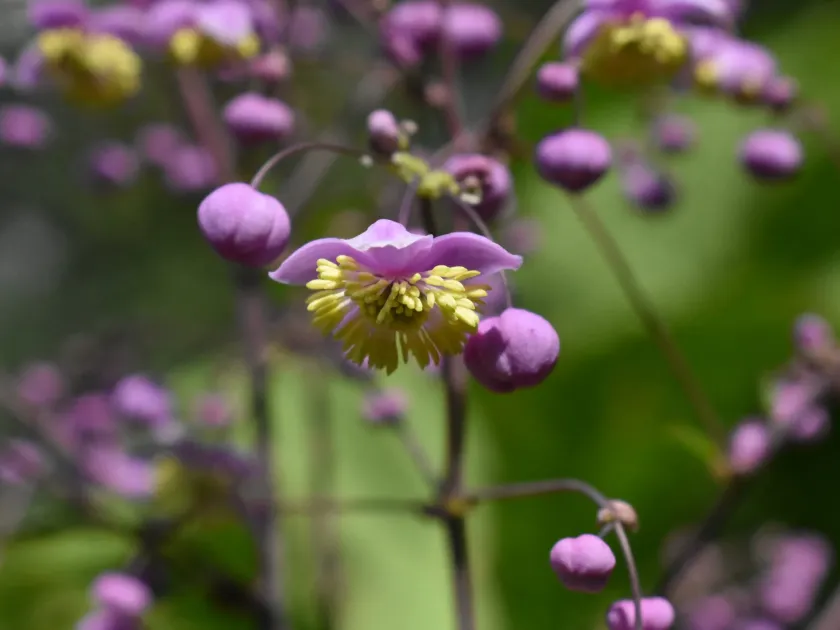
Description
Sowing dates
Propagation of Thalictrum rochebruneanum by seeds is typically performed in autumn for winter sowing. This allows the seeds to undergo natural stratification, which is essential for uniform germination.
For spring sowing, seeds must be cold-stratified in a refrigerator at approximately +4 °C for several weeks. This process mimics natural conditions and breaks seed dormancy effectively.
Vegetative propagation via root division is the most reliable method for maintaining specific plant characteristics. This is best done in early spring as soon as the soil can be worked.
When dividing the clumps, ensure that each section includes at least one healthy growth bud and a substantial portion of the root system to facilitate rapid establishment.
Plants should be spaced about 50–60 cm apart. This density allows for the proper development of the tall, airy stems that make this species a popular choice for perennial borders.
Growing requirements
The plant thrives in partial shade. While it can tolerate some sun in cooler climates, it generally prefers protection from intense afternoon heat to prevent foliage scorching.
Rich, moist, and well-draining soil is critical for optimal growth. Amending the planting site with compost or leaf mold improves soil structure and nutrient availability.
Regular irrigation is necessary to keep the soil consistently moist, especially during dry summer months. Drought stress can lead to premature yellowing and reduced flowering.
Thalictrum rochebruneanum is highly winter-hardy and does not require extensive winter protection in most temperate zones. Applying mulch can help maintain soil moisture and suppress weeds.
Fertilization with a balanced slow-release fertilizer in early spring supports vigorous foliage growth and the development of the characteristic lavender-purple flowers.
Main diseases and pests
The plant is generally resistant to most pests and diseases. However, stagnant air and high humidity can occasionally trigger outbreaks of powdery mildew on the foliage.
Cultural control, such as providing adequate spacing between plants to ensure good airflow, is the most effective way to prevent the development of fungal infections.
Aphids may occasionally appear on tender new growth. Monitoring the plants regularly allows for early intervention, often using simple horticultural soap or neem oil sprays.
Slugs and snails can cause damage to emerging shoots during the wet spring weather. Using physical barriers or protective pellets can effectively mitigate these risks.
In case of severe infestations or diseases, integrated pest management strategies should be employed to protect the plant's aesthetic value and long-term health.