
Yellow meadow-rue
Thalictrum flavum L.
Description
Growing requirements
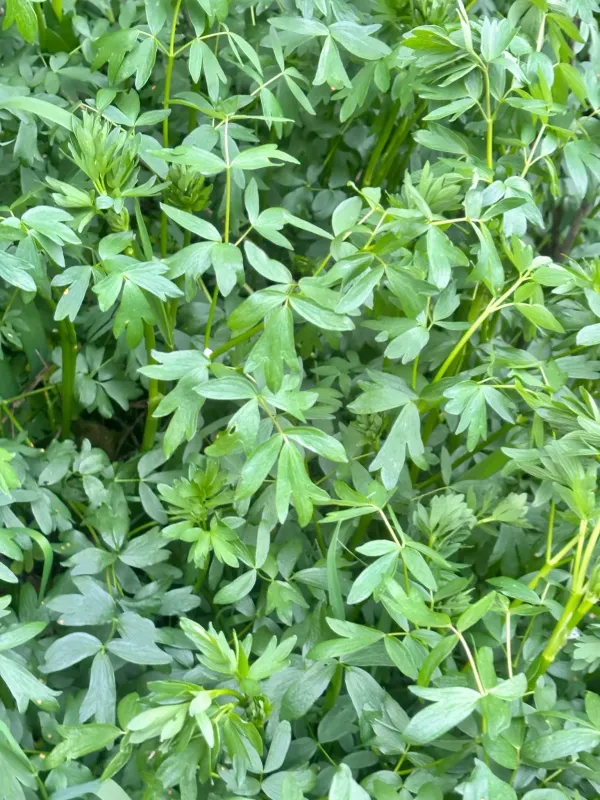
Yellow meadow-rue (Thalictrum flavum L.) is a perennial herbaceous plant from the Ranunculaceae family. Native to Europe and temperate Asia, it typically thrives in damp meadows, riverbanks, and marshy woodland edges. The plant is recognized by its tall, sturdy stems, intricate foliage, and pale yellow, fragrant flowers.
Successful cultivation requires soil that remains consistently moist throughout the growing season. The ideal substrate is a fertile, humus-rich loam with a neutral pH. While the plant can tolerate partial shade, it produces the most vigorous growth and optimal chemical composition in full sun exposure, provided moisture levels are adequate.
Agronomic practices for this crop involve site preparation that includes deep cultivation to accommodate its extensive root system. Sowing is best performed in the spring or late autumn to allow for natural stratification of seeds. Proper spacing is essential, as the plants develop into dense, clumps over several years.
The economic utility of the plant is centered on its medicinal applications, as various parts of the herb contain isoquinoline alkaloids. Additionally, it serves as a valuable nectar source for bees and is highly sought after for restoration ecology projects in wetland areas, where it helps stabilize soil and enhance biodiversity.
Ongoing maintenance involves keeping the soil mulched to retain moisture during the summer months. Fertilizer application, particularly nitrogen-based, can be applied in early spring to encourage stem growth. Since the plant is a perennial, minimal intervention is required once it is established, other than weed management during the first year.
Main diseases and pests
Disease management primarily focuses on preventing fungal issues like powdery mildew and rust. These conditions are typically caused by poor air circulation or overcrowding. Implementing proper spacing between individual plants and ensuring the site is not overly humid are the most effective preventative measures.
Insect pests are generally not a major concern for established populations, although aphids can occasionally cause damage to the tender young shoots. Monitoring and the use of botanical-based pesticides or manual removal are standard procedures if pest populations reach economic injury levels.