
Delavay's meadow-rue
Thalictrum delavayi Franch.
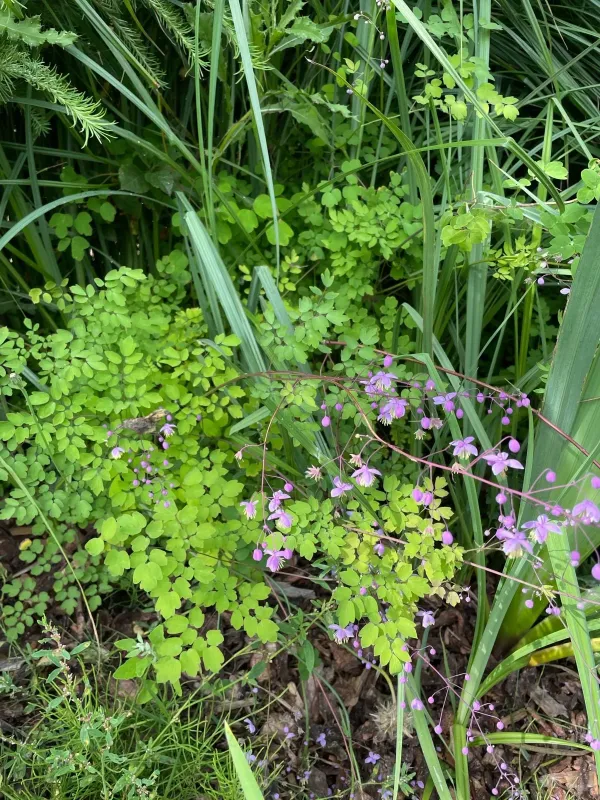
Description
Sowing dates
Sowing Delavay's meadow-rue seeds is best done in autumn for outdoor germination or in spring following a 1–2 month stratification period at low temperatures. Early indoor sowing in February allows for robust seedlings ready for outdoor transplantation by the start of summer.
Seeds require light to germinate, so they should only be pressed lightly into the substrate without covering them deep. Maintain the trays at +15...+18°C while keeping the surface consistently moist by covering them with plastic or glass to create a greenhouse effect.
Pricking out the seedlings occurs once two true leaves have formed, ensuring each plant has adequate room for root development. It is crucial to monitor moisture levels, as young plants are highly susceptible to desiccation during their early growth stages.
Transplanting into the garden should be done after the risk of late spring frost has completely passed. Space the plants 40–50 cm apart to allow for proper air circulation and to accommodate the mature size of the perennial bush.
Apart from seeds, vegetative propagation through root division is highly effective when done in early spring. This method ensures the offspring retain the exact characteristics of the parent plant and typically matures into a flowering specimen much faster.
Growing requirements
Thalictrum delavayi belongs to the Ranunculaceae family and is native to the high-altitude mountainous regions of China. As a perennial crop, it demands specific environmental conditions to thrive and produce its signature elegant floral displays.
The culture thrives in fertile, light, and well-drained soils rich in organic matter. While it prefers consistent moisture, it cannot tolerate waterlogging, so soil texture and proper drainage are critical factors when selecting a permanent planting site.
An ideal environment for this species is a semi-shaded location protected from harsh direct midday sunlight. Such conditions help preserve the decorative quality of the foliage and extend the flowering duration throughout the summer months.
Protection from strong winds is necessary, as the tall, slender flower stems can easily lean or collapse. Planting in sheltered garden corners or using subtle supports is a recommended practice to maintain the plant's aesthetic structural integrity.
Maintenance includes regular watering, especially during dry spells, to keep the soil consistently damp. Applying a mulch layer of peat or humus around the base helps retain moisture and protects the root system from excessive temperature fluctuations.
Main diseases and pests
Powdery mildew is a primary disease concern for Thalictrum delavayi, particularly in areas with high humidity and poor air circulation. To prevent infection, ensure proper plant spacing and remove any debris that may harbor fungal spores.
Rust can also affect the leaf surfaces, diminishing the plant's visual appeal. Proactive maintenance, including the removal of infected parts and the application of appropriate fungicides, is essential to keep the crop healthy and vibrant.
Pests such as aphids and spider mites frequently target the tender new growth, causing leaf curling and general stunting. Use systemic or biological insecticides at the first signs of infestation to prevent rapid population spread.
Soil-dwelling pests, including wireworms, can damage the root system, leading to the gradual decline of the plant. Regular soil aeration and the use of targeted soil treatments can effectively mitigate the risks associated with these subterranean threats.
Slugs and snails can cause significant damage to young leaves during wet weather seasons. Mechanical barriers, traps, or molluscicides are standard control measures used to protect the foliage of this delicate ornamental perennial.