
Lesser meadow-rue
Thalictrum minus L.
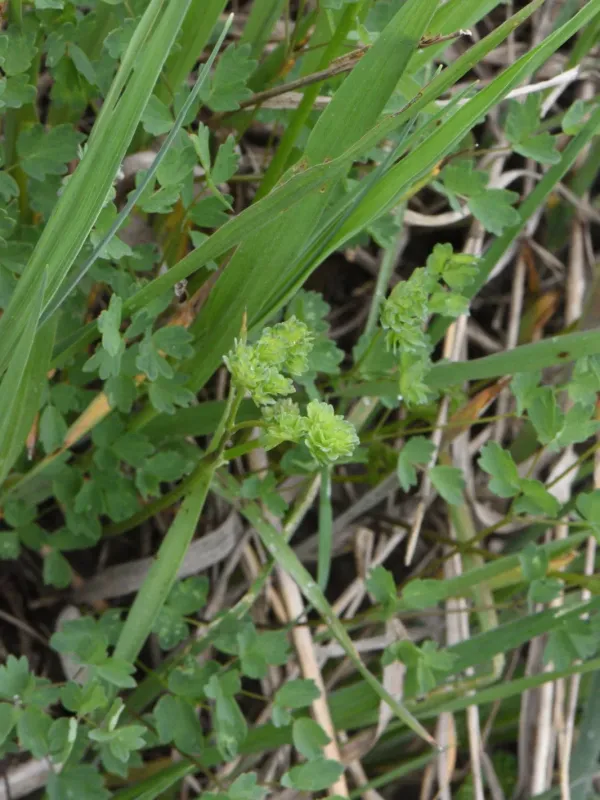
Description
Growing requirements
Thalictrum minus L., commonly known as lesser meadow-rue, is a perennial herbaceous plant belonging to the Ranunculaceae family. It is naturally distributed across Europe and Asia, thriving in diverse environments such as meadows, rocky slopes, and forest edges.
The plant is characterized by its delicate, fern-like foliage and slender, branched stems that grow between 30 to 100 cm in height. Its inflorescences consist of small flowers, providing a subtle, airy aesthetic that is highly valued in ornamental gardening.
For optimal growth, Thalictrum minus requires well-drained, fertile soil with moderate moisture retention. While it can adapt to various soil types, it performs best in slightly acidic to neutral substrates that are rich in organic matter.
This species is notably hardy, exhibiting excellent winter tolerance in temperate climates. It prefers partial shade but can tolerate full sun exposure, provided that the soil does not dry out completely during the heat of the summer.
Economically, Thalictrum minus is recognized for its medicinal potential due to the presence of specific alkaloids. Additionally, it serves as a staple in naturalistic planting schemes, valued for its low maintenance requirements and resilience once established.
Main diseases and pests
The primary fungal disease affecting lesser meadow-rue is powdery mildew, particularly in conditions with poor airflow and high humidity. Maintaining adequate spacing between plants is an effective preventative measure to ensure proper ventilation.
Insect pests, including aphids and leaf nematodes, can potentially damage the foliage during the peak growing season. Growers should conduct regular monitoring of the plants to detect early signs of infestation and apply appropriate controls.
Root rot represents a significant threat in poorly drained soils where water accumulates. Establishing a site on an elevated slope or incorporating grit into the soil profile can significantly mitigate the risk of waterlogging.
Weed management is critical, especially for young plants that have not yet established a strong root system. Utilizing organic mulches can help suppress weeds while simultaneously preserving soil moisture levels.
Integrated pest management strategies are recommended to maintain the health of the crop. Because it is often used as a medicinal herb, minimizing chemical interventions and focusing on cultural practices is essential for quality assurance.