
Petal-leaved meadow-rue
Thalictrum petaloideum L.
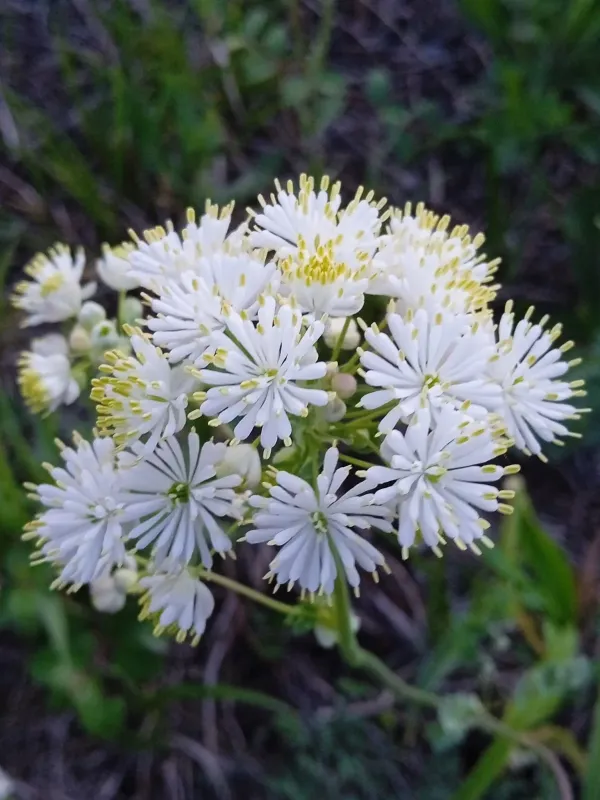
Description
Sowing dates
Thalictrum petaloideum L., commonly known as petal-leaved meadow-rue, belongs to the Ranunculaceae family. It is a perennial herbaceous plant valued for its delicate appearance and ornamental potential in garden landscapes.
Propagation is primarily carried out through seeds. Due to their dormancy, seeds require cold stratification for successful germination. Sowing in autumn is the most natural and effective method, allowing the seeds to undergo winter chilling in the soil.
For spring sowing, seeds must be kept in cold conditions, such as a refrigerator, for several weeks before planting. Once sprouted, seedlings require bright, indirect light and consistent, moderate moisture to develop a strong root system.
Transplanting seedlings to their final location is best performed after the danger of late frost has passed, typically in late spring. Proper spacing is essential, allowing approximately 30-40 cm between plants to ensure adequate air circulation.
As a long-lived perennial, this species can thrive in the same location for a decade. It demonstrates excellent hardiness and adapts well to temperate climates, provided the basic cultural requirements are met during the establishment phase.
Growing requirements
The ideal environment for Thalictrum petaloideum is a partially shaded location. Intense midday sun can cause the foliage to scorch and diminish the plant's overall vigor, so providing protection during the hottest part of the day is recommended.
Soil requirements include well-draining, fertile, and slightly acidic to neutral substrates. Heavy clay soils should be amended with organic matter or grit to improve aeration and drainage, preventing root rot caused by waterlogging.
While the plant is relatively adaptable, consistent soil moisture is crucial during the active growing season. Regular, deep watering is preferred over frequent shallow sprinkling, especially during periods of dry or hot weather.
Fertilization with a balanced NPK fertilizer in early spring promotes robust vegetative growth. Adding a layer of organic mulch, such as leaf mold or compost, around the base of the plant helps retain moisture and enriches the soil structure over time.
Routine maintenance includes cleaning up debris and light weeding to prevent competition for nutrients. Given its growth habit, simple grooming ensures the plant maintains its structural integrity and remains aesthetically pleasing throughout the season.
Main diseases and pests
The most common disease affecting the meadow-rue is powdery mildew, which appears as a white, dusty fungal growth on leaves. This is usually triggered by high humidity and poor air circulation around the foliage.
Effective management includes maintaining proper spacing and ensuring the leaves remain dry during watering. Fungicide treatments can be utilized if a severe infection develops to protect the overall health of the plant.
Aphids are the primary insect pests, often congregating on the tender shoots and flower buds. Early detection is key; simple manual removal or the application of insecticidal soaps can often control small infestations effectively.
Rust diseases may occur under improper cultivation conditions, such as overhead watering. Keeping the foliage dry and promoting good airflow are primary preventative measures that significantly reduce the risk of disease outbreaks.
Vigilance against soil-borne pests is also advisable, especially when planting in freshly prepared ground. An integrated approach to plant health, focusing on optimal soil quality and hygiene, remains the best strategy for long-term plant success.