
Amsonia tabernaemontana
Amsonia tabernaemontana Walter
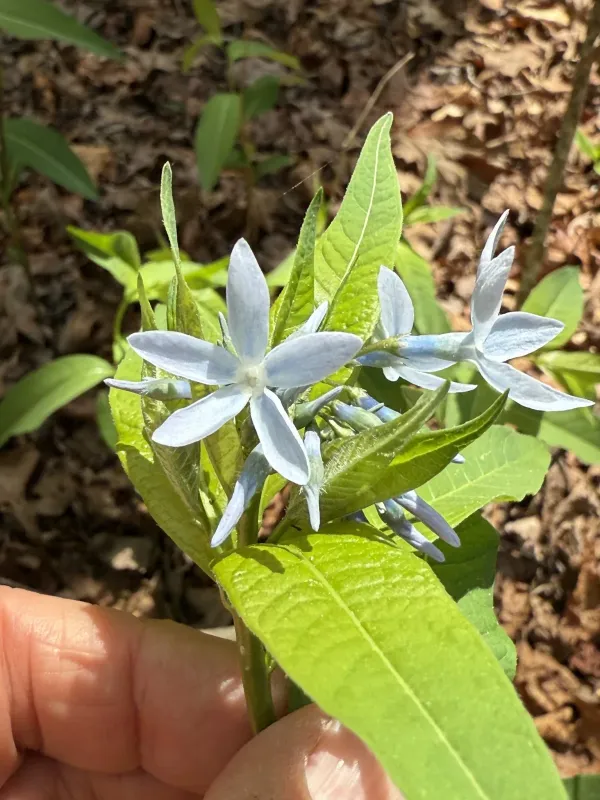
Description
Sowing dates
Propagation of Amsonia tabernaemontana can be achieved through seeds or vegetative division. Seeds require a cold stratification period of 30 to 60 days before sowing, either in the fall for outdoor germination or indoors in early spring.
When starting seeds, use a well-draining potting medium and keep the surface moist. Seedlings develop at a moderate pace, often requiring a full season to establish a robust root system before being transplanted.
Vegetative propagation via division is recommended for mature clumps, typically every 3–5 years. This process is best performed in early spring or autumn when the plant is not in its active blooming phase.
Softwood cuttings can be taken in late spring or early summer. They should be placed in a humid environment with indirect light until rooting occurs, which usually takes several weeks.
Planting depth is crucial for success; ensure the crown of the plant is level with the soil surface. Proper spacing allows for adequate airflow, which prevents the development of fungal pathogens.
Growing requirements
Amsonia tabernaemontana is a member of the Apocynaceae family native to North America. It is a highly resilient perennial known for its star-shaped blue flowers and excellent foliage texture throughout the season.
The plant thrives in full sun to partial shade. In hotter climates, partial shade during the afternoon is beneficial to prevent leaf scorch and maintain deep green foliage color.
Soil requirements are relatively flexible, though the plant performs best in fertile, humus-rich, and well-drained loams. It can tolerate occasional drought once established but prefers consistent moisture for optimal growth.
Watering management is essential during the initial establishment year. Once the deep root system is developed, the plant becomes notably more drought-tolerant than many other garden perennials.
This species is exceptionally cold-hardy, adapting well to a wide range of temperate environments. No special winter protection is required, although a layer of organic mulch can help moderate soil temperatures.
Main diseases and pests
Amsonia tabernaemontana is widely considered a pest-free and disease-resistant plant. Its milky sap contains alkaloids that make it unpalatable to deer, rabbits, and most herbivorous insects.
The primary threat is crown or root rot, which occurs almost exclusively in poorly drained or waterlogged soils. Ensuring excellent drainage at the planting site is the most effective preventative measure.
Fungal leaf spots can occasionally appear in environments with extremely poor air circulation and high humidity. Thinning out overcrowded plants usually solves this problem without the need for chemicals.
While aphids may occasionally colonize tender new growth in spring, they rarely reach levels that cause significant damage. These infestations are easily managed with natural predators or gentle horticultural soaps.
Sanitation practices, such as clearing debris from the base of the plants in late autumn, are recommended. This reduces overwintering sites for potential pathogens and ensures a healthy start for the next season.