
Amsonia ciliata x Amsonia hubrichtii
Amsonia ciliata Walter x A. hubrichtii Woodson
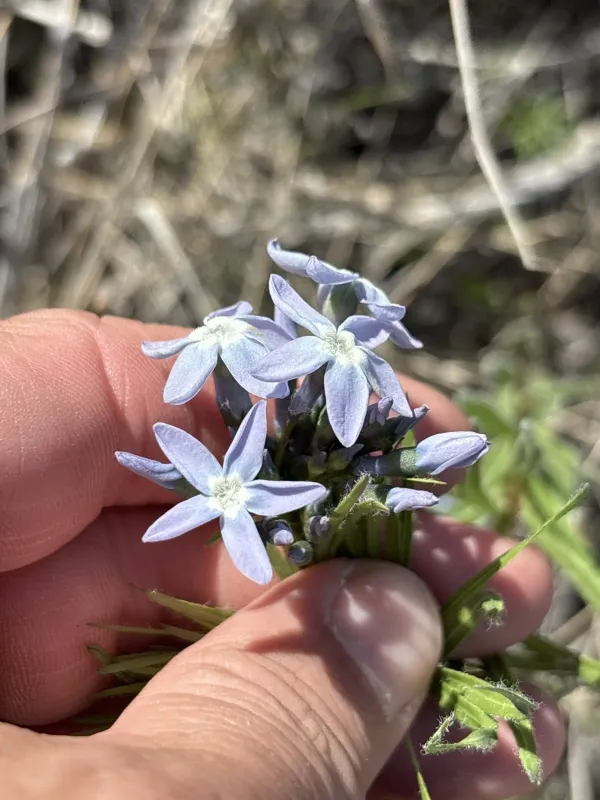
Description
Growing requirements
Amsonia ciliata x Amsonia hubrichtii is a hybrid perennial species belonging to the Apocynaceae family. It is highly valued in horticulture for its fine-textured, needle-like foliage and robust nature, making it a sophisticated choice for perennial borders and prairie-style gardens.
The cultural requirements for this hybrid include a sunny to partially shaded position to ensure optimal foliage development and structural integrity. This plant is well-adapted to varied climatic conditions, demonstrating excellent cold hardiness once established in suitable garden environments.
Regarding soil preferences, this Amsonia thrives in well-drained, fertile, and slightly acidic to neutral soil types. It is essential to provide good drainage, as the plant is susceptible to root rot if left standing in water during the dormant winter months, especially in heavier clay soils.
Agricultural management is relatively simple: plants require minimal maintenance once they have developed a strong root system. While drought-tolerant, providing supplemental irrigation during prolonged summer heat waves will keep the foliage lush and improve the autumn colour intensity.
Economically and aesthetically, this plant serves as a structural element in landscape design. Its ability to maintain a neat, upright habit throughout the season, combined with the brilliant gold colouration of the leaves in late autumn, adds significant value to perennial garden displays.
Main diseases and pests
One of the primary benefits of the Amsonia hybrid is its high resistance to pests and diseases. The presence of secondary metabolites in the plant tissue serves as a natural deterrent, making it largely unappealing to common garden pests such as aphids and slugs.
The main threats to the plant's health are related to environmental management rather than biological attacks. Soil compaction and excessive moisture retention around the root zone are the most common precursors to fungal root rots, which are the most dangerous pathogens for this species.
Preventative measures include ensuring adequate spacing between plants to facilitate air circulation, which helps manage humidity levels around the foliage. This simple practice significantly reduces the risk of powdery mildew outbreaks in crowded or poorly ventilated garden areas.
Observation of the root health during the establishment phase is recommended. If symptoms of wilting appear despite sufficient moisture, investigating the soil drainage properties is crucial to prevent long-term damage or total loss of the specimen.
Overall, the plant is remarkably hardy and rarely requires chemical intervention. Its status as a low-input, high-reward ornamental makes it an ideal candidate for sustainable gardening practices and large-scale public landscaping projects.