
Amsonia rigida
Amsonia rigida Shuttlew. ex Small
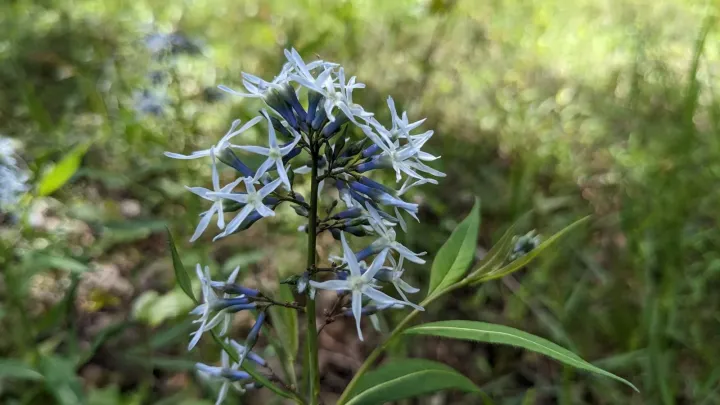
Description
Sowing dates
Amsonia rigida, a member of the Apocynaceae family, is a herbaceous perennial known for its resilient nature and aesthetic appeal. Propagation is primarily achieved through seeds, which require a cold stratification process to overcome dormancy and ensure successful germination.
Sowing seeds in late autumn allows them to undergo natural stratification during the winter months, preparing them for spring growth. If sowing indoors, seeds should be kept in a cold environment for at least six weeks before being transferred to a warm seed-starting mix.
Vegetative propagation via crown division is another reliable method for expanding your stock. Dividing the root system should be done during the dormant phase, either early in the spring or in the autumn, ensuring each section has healthy buds.
Young plants develop slowly, establishing their root systems before focusing on significant above-ground growth. It is advisable to keep seedlings in a protected nursery environment for the first year to ensure they reach sufficient maturity before planting in the landscape.
Once established, the plants form stable, clump-forming structures that require little intervention. Proper spacing is essential, allowing for optimal air circulation between plants, which is crucial for preventing humidity-related issues in dense plantings.
Growing requirements
Amsonia rigida thrives in full sun exposure, which encourages a compact and upright growth habit. While it can tolerate partial shade, excessive shade may cause the stems to stretch, potentially requiring mechanical support to maintain an attractive shape.
The ideal soil for this species is well-drained, fertile, and moderately moist. It performs exceptionally well in sandy loam or clay-based soils, provided that adequate drainage is maintained to prevent root rot during wet winter months.
The plant is highly adaptable to various climatic conditions and is noted for its excellent cold hardiness. Its deep root system allows it to remain relatively drought-tolerant once fully established, making it a sustainable choice for many gardens.
Fertilization should be kept to a minimum; a light application of a balanced slow-release fertilizer in early spring is usually sufficient to support healthy growth. Excessive nitrogen should be avoided to prevent weak stems and overly lush foliage that is prone to lodging.
Mulching the base of the plant with organic material helps maintain consistent soil moisture and temperature levels. This practice also inhibits weed growth, reducing the need for manual cultivation around the root zone.
Main diseases and pests
One of the significant advantages of Amsonia rigida is its natural resistance to most common garden pests and diseases. The plant contains secondary metabolites that act as a deterrent for many insects, making it a low-maintenance landscape component.
However, environmental stress, such as waterlogged soil or poor ventilation, can create conditions favorable for fungal infections. Root rot and leaf spot are potential threats if the soil remains excessively saturated or if the canopy is too crowded.
Slugs and snails may occasionally feed on young, tender growth during the early spring. While rarely devastating, manual monitoring and the use of physical barriers or organic deterrents are effective strategies for protecting younger specimens.
In hot and dry conditions, spider mites can potentially become an issue, though this is uncommon for healthy, well-hydrated plants. Providing adequate irrigation during extreme droughts is the best preventive measure against such infestations.
Sanitation is key to managing plant health; removing and disposing of plant debris at the end of the season prevents the overwintering of pathogens. Keeping the planting area clean is a fundamental step in integrated pest and disease management.