
Amsonia hybrid
Amsonia rigida Shuttlew. ex Small x Amsonia tabernaemontana Walter
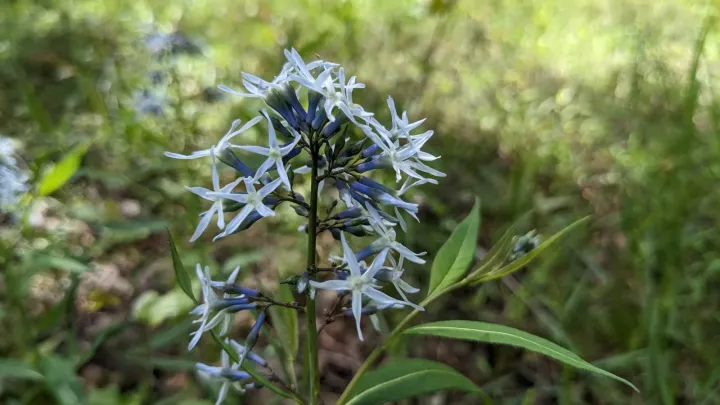
Description
Sowing dates
Propagation of Amsonia hybrid is predominantly achieved through vegetative methods such as division of established clumps or stem cuttings. Early spring or autumn are the best times for division, ensuring minimal stress to the root system.
Seed propagation is less common due to the hybrid nature of the plants and the necessity for cold stratification. Seeds should be sown in a well-draining medium and kept in a cool, moist environment for several weeks to break dormancy.
When transplanting into the landscape, it is essential to allow 45 to 50 centimeters of space between individual plants. Proper spacing ensures adequate air circulation, which is vital for preventing moisture-related issues.
The plant possesses a robust and deep root system, making it quite hardy once established but also resistant to frequent relocation. Careful planning of the site is recommended to avoid disturbing the plants later.
As a member of the Apocynaceae family, Amsonia contains a milky sap. Gardeners should wear gloves during pruning or division to avoid skin irritation, as the latex can cause allergic reactions in some individuals.
Growing requirements
Amsonia hybrid thrives in full sun or partial shade, preferring fertile, moisture-retentive, yet well-draining soils. While it can adapt to various soil types, loamy soils rich in organic matter produce the best growth.
The plant is highly resilient and exhibits excellent winter hardiness across a wide range of temperate climates. It requires little to no winter protection, making it a reliable perennial for modern sustainable landscapes.
Regular watering is necessary during the first growing season to establish the root system. Once mature, the plant shows good drought tolerance, although consistent moisture will encourage more vigorous blooming and foliage development.
Fertilizing in early spring with a balanced slow-release fertilizer supports optimal flower production. Mulching with organic matter helps retain soil moisture and suppresses weeds, reducing the maintenance burden.
Providing structural support or grouping plants together can help protect taller stems from strong winds. This simple measure prevents the clumps from splaying and maintains the intended aesthetic shape.
Main diseases and pests
Amsonia is known for its remarkable resistance to common pests and diseases, largely due to the presence of alkaloids in its tissues. These natural defenses make it a low-maintenance choice for most garden settings.
Occasionally, poor air circulation in overcrowded garden beds may lead to fungal leaf spots. Improving ventilation and spacing is usually sufficient to mitigate these problems without the need for chemical intervention.
Aphids are occasional visitors, though rarely cause significant damage to established plants. Targeted treatment with insecticidal soaps can be used if infestations reach a level that affects the plant's health.
Root rot caused by poor soil drainage remains the primary threat to the health of the plant. Ensuring the planting site has a proper drainage slope is the most effective preventative measure against this condition.
Sanitation practices, such as clearing away dead foliage and debris in late autumn, contribute to overall plant health. This simple step removes potential overwintering sites for various pathogens and common pests.