
Tetracera scandens
Tetracera scandens
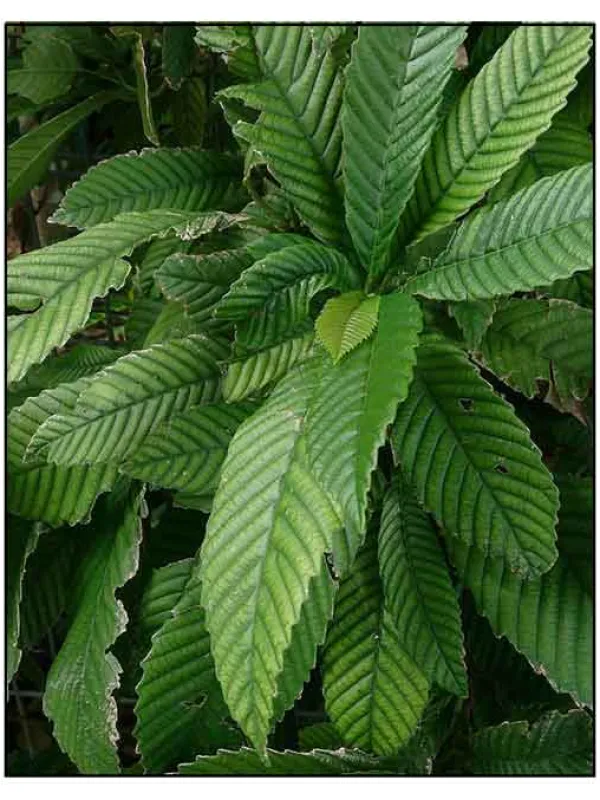
Description
Growing requirements
Tetracera scandens is a prominent member of the Dilleniaceae family, recognized as a robust woody climber. This tropical species is native to Southeast Asia and thrives in warm, humid forest environments.
The plant requires high levels of ambient humidity and consistent soil moisture to reach its full potential. It grows best in full sunlight or partial shade, making it adaptable to various canopy levels in its natural habitat.
Cultivation practices necessitate the provision of sturdy vertical support structures to accommodate the vine's climbing nature. A well-draining, nutrient-rich soil mix is crucial to prevent root zone suffocation and promote healthy growth.
Management of this culture involves routine pruning to maintain plant size and stimulate density. Proper spacing is essential to ensure adequate airflow, which is vital for the physiological health of the vine's foliage.
The economic value of this crop is primarily found in its medicinal properties, often utilized in traditional remedies for its anti-inflammatory effects. Additionally, the abrasive texture of the leaves makes them useful as natural scouring pads for various cleaning tasks.
Main diseases and pests
Fungal pathogens represent the primary threat to the health of the plant, often triggered by prolonged periods of high humidity and poor circulation. Implementing a strategy of regular canopy thinning is the best preventative measure.
Insect pests, including scale insects and mites, frequently target the succulent younger shoots. Regular scouting of the foliage is necessary to detect infestations before they reach levels that significantly damage the crop yield.
Root rot is a critical concern, especially in containerized or poorly drained field settings. Avoiding waterlogging through advanced irrigation management and soil amendments is the most effective way to protect the root systems.
Viral transmission by sucking insects can affect the vigor of the vines. Establishing an effective monitoring and control program for insect vectors is essential for maintaining a healthy and productive plantation.
Nematode pressure can impair the plant's ability to uptake nutrients, leading to yellowing and stunted growth. Using certified, pest-free planting stock and maintaining soil hygiene are fundamental steps in preventing long-term infestations.