
Tetracera akara
Tetracera akara
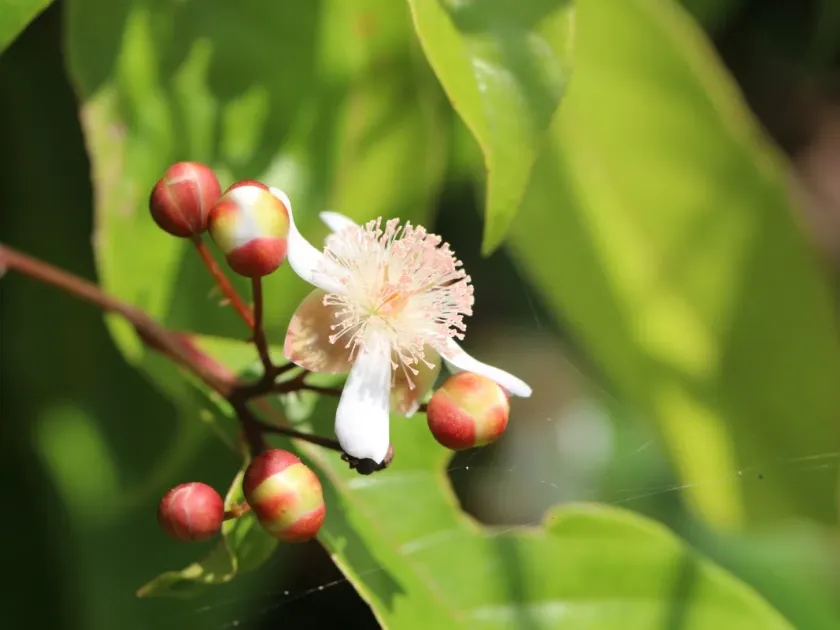
Description
Sowing dates
Tetracera akara is a tropical climbing vine that thrives in warm, humid climates. In its natural range, propagation by seeds typically occurs during the onset of the rainy season when moisture levels are optimal for germination.
For controlled cultivation, seeds should be sown in a well-draining organic medium. Maintaining a soil temperature of at least 25 degrees Celsius is crucial for consistent germination rates across the entire batch.
Pre-treatment of seeds, such as scarification or soaking in warm water for 24 hours, helps to overcome the natural dormancy of the seed coat and accelerates the emergence of seedlings.
Seedlings should be moved into individual pots as soon as the first pair of true leaves appears. Care must be taken not to disrupt the root ball, as the plant is highly sensitive to transplantation shock.
Vegetative propagation via stem cuttings is the preferred method for large-scale operations. Cuttings should be taken from semi-hardwood portions and treated with rooting hormones to ensure high survival rates.
Growing requirements
This species belongs to the Dilleniaceae family and is strictly a tropical plant. It requires consistent temperatures between 22 and 30 degrees Celsius, with no tolerance for frost or freezing temperatures.
The plant prefers fertile, well-draining loam or sandy soil with a slightly acidic pH, typically ranging between 5.5 and 6.5. Good aeration of the substrate is vital to prevent root oxygen deprivation.
Light requirements are significant; however, young plants benefit from partial shading during the hottest part of the day. As the plant matures, it can tolerate more direct exposure to sunlight.
Water management is critical. The plant requires regular watering to keep the substrate consistently moist but never waterlogged. Irrigation systems such as drip lines are highly recommended for efficiency.
Fertilization should be balanced, providing nitrogen, phosphorus, and potassium during the active growing season. Micronutrient supplementation can be beneficial in highly leached tropical soils.
Yield
The yield of Tetracera akara is primarily measured by the biomass of its leaves and stems. The plant is known for its vigorous growth, capable of producing significant foliage volumes throughout the year.
The leaves of this plant are often harvested for their abrasive properties, used in traditional crafts and industry. Harvesting frequency depends on the desired leaf maturity and the specific commercial application.
Regular pruning is an essential agricultural practice that encourages the development of lateral shoots, effectively increasing the surface area for leaf production and overall crop yield.
Productivity is highest in plants aged between five and ten years. With proper management and soil fertility maintenance, a single plantation can remain highly productive for many years.
Economic evaluation of the crop involves monitoring the dry weight of the harvest and the uniformity of the leaf texture, which are key quality indicators for industrial buyers.
Main diseases and pests
Sucking insects, including scales and spider mites, are the most frequent pests. These pests tend to flourish in conditions of low relative humidity, necessitating regular monitoring of the foliage.
Fungal pathogens such as root rot can occur if soil moisture is not managed correctly. Providing a robust drainage system is the primary defense against such soil-borne infections.
Powdery mildew may appear on leaves during periods of fluctuating temperatures or poor ventilation within the crop canopy. Increasing plant spacing improves airflow and mitigates this risk.
Root-knot nematodes can severely affect growth in sandy soils. Implementing crop rotation with non-host species or using organic soil amendments can help keep nematode populations in check.
Integrated pest management strategies focusing on biological controls are recommended to maintain the safety and quality of the harvested materials.
Harvesting
Harvesting is performed by hand-selecting mature leaves, ensuring that no damage is done to the structural integrity of the main vines. Early morning harvest is optimal to ensure the leaves are clean and dry.
After harvesting, the leaves should be spread out in a shaded, well-ventilated area for drying. Exposure to direct sunlight during drying should be avoided to preserve the leaf's structural components.
The storage area must be kept cool and dry. High humidity levels during storage can lead to fungal growth, which will quickly degrade the quality and utility of the collected product.
Grading the harvested leaves by size and age is necessary to meet commercial requirements. Consistent grading helps in optimizing the pricing and suitability for different end-use markets.
During transport, the harvest should be packaged in crates that allow for sufficient ventilation, preventing the accumulation of heat and moisture within the shipping containers.