
Tetracera potatoria
Tetracera potatoria
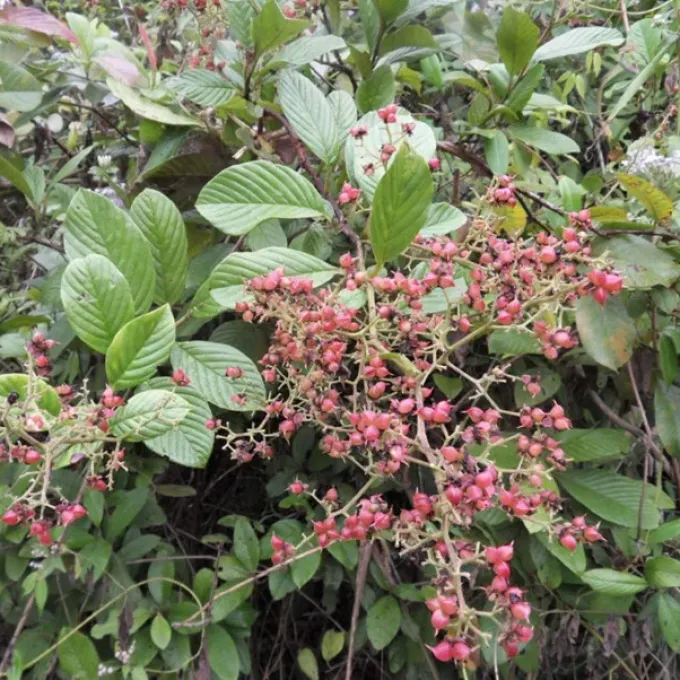
Description
Sowing dates
Tetracera potatoria is a representative of tropical forest flora and is not cultivated on an industrial scale as an agricultural crop.
Reproduction in the natural environment occurs through seeds, which require high humidity and stable temperatures to germinate effectively.
In botanical gardens or specialized nurseries, sowing is performed with fresh seeds immediately after the fruit matures to ensure viability.
Vegetative propagation via cuttings is possible but requires strict control of substrate moisture and the application of rooting hormones.
The planting of seedlings into the ground is carried out at the beginning of the rainy season to provide young plants with sufficient moisture.
Growing requirements
This plant belongs to the Dilleniaceae family and is a woody liana widely distributed throughout the tropical regions of West Africa.
Tetracera potatoria thrives in partial shade and high atmospheric humidity, conditions typical of the understory in dense tropical forests.
Soils for successful growth must be rich in organic matter, have a slightly acidic pH, and possess excellent drainage to prevent waterlogging.
The culture is extremely sensitive to sudden temperature fluctuations and does not tolerate even mild frosts, which limits its cultivation area.
Agrotechnically, it is important to provide supports, as the stems of the plant require structures to climb for proper leaf development.
Yield
The economic importance of the plant lies in the specific properties of its stems, which can store water suitable for human consumption.
The biological productivity of the liana is estimated by the growth rate of its biomass and the ability of the stems to retain moisture during droughts.
The yield of drinkable sap depends on the age of the plant: more mature, woody lianas provide a larger volume of liquid when cut correctly.
Collection is carried out by making a careful transverse cut in the stem, while ensuring that the main root system remains undamaged.
Intensive exploitation of wild populations is limited by their slow growth, requiring the application of sustainable natural resource management.
Main diseases and pests
Typical threats to the culture include fungal infections that develop due to excessive humidity and a lack of adequate air circulation.
The foliage can be damaged by various species of tropical insects that feed on the sap or the leaf blades of the climbing plants.
The primary abiotic risk factor is prolonged drought, which lowers stem turgor and reduces the available reserves of potable water.
Competition with other epiphytes and parasitic plants in the tropical forest can suppress the growth and development of Tetracera potatoria.
To protect cultivated specimens, it is recommended to maintain proper plant spacing and promptly remove damaged stem sections.
Harvesting
Harvesting for this culture is defined as the process of extracting the natural liquid stored in the stems to quench thirst.
The collection process is performed selectively, considering the plant's life cycle to ensure the liana can continue to thrive and recover.
Tools used for harvesting must be sharp and thoroughly disinfected to prevent the transmission of pathogens into the vascular system of the vine.
The best time for obtaining the maximum volume of moisture is considered to be in the early morning before peak daytime temperatures.
After collection, it is recommended to treat the cut area with grafting wax or another protective sealant to promote rapid healing of the tissues.