
Tetracera masuiana
Tetracera masuiana
Description
Growing requirements
Tetracera masuiana is a woody liana belonging to the Dilleniaceae family. This species is native to tropical environments, where it grows as a climbing vine, often reaching the canopy of tropical forests to secure its access to sunlight.
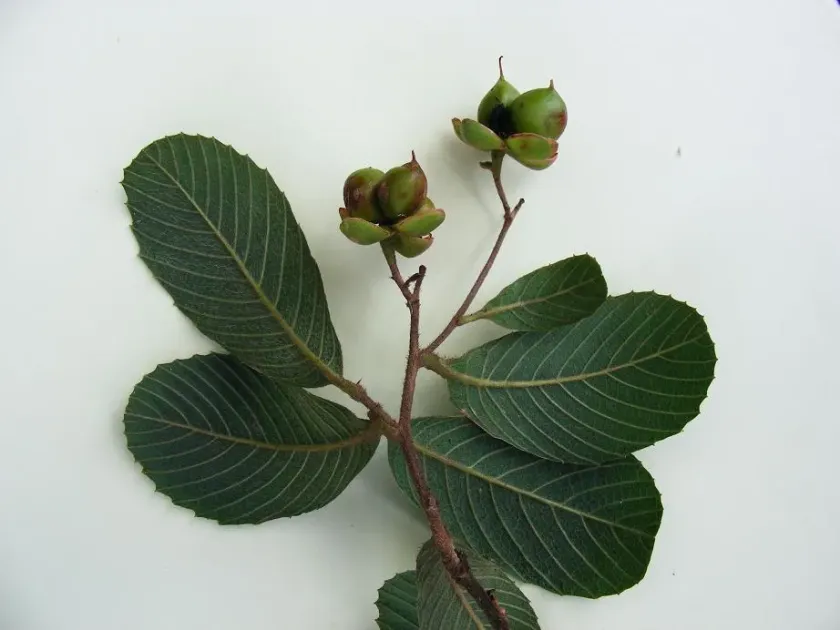
The botanical structure of the plant features rigid, often scabrous leaves and woody stems capable of reaching significant lengths. Its growth habit is primarily vertical, necessitating structural support to maintain healthy development and proper light exposure for its foliage.
Regarding climatic requirements, the plant thrives in tropical regions with high humidity and consistent warmth. It is highly intolerant of freezing temperatures, making it unsuitable for open-field cultivation in temperate zones without strict climate control measures.
The soil requirements for Tetracera masuiana involve well-drained, nutrient-rich substrates that mimic forest floor composition. A balance between moisture retention and aeration is critical, as the roots are sensitive to hypoxia caused by waterlogging.
Economic and practical applications for this species include its use in ethnobotanical studies and potential pharmaceutical research due to the presence of secondary metabolites. In specialized collections, it serves as a robust example of tropical climbing vegetation.
Main diseases and pests
The primary threats to Tetracera masuiana include fungal pathogens that exploit overly wet soil conditions. Root rot is a significant risk, particularly during periods of low light or diminished vegetative activity, where transpiration rates are lower.
Common pests such as spider mites and scale insects represent a persistent challenge, especially in indoor or greenhouse settings. These pests can cause significant damage to leaf tissue, reducing the photosynthetic efficiency and overall vigor of the liana.
Management of these threats requires an integrated approach focusing on cultural practices, such as maintaining appropriate air circulation to prevent fungal colonization. Sanitation of growing areas is essential to minimize the risk of pest and disease outbreaks.
Mechanical damage to the vines during pruning or maintenance can lead to secondary infections. It is recommended to use sanitized pruning tools and perform cuts at angles that prevent water from accumulating on the wounded surfaces.
Environmental stress, such as sudden drops in temperature or prolonged periods of drought, can weaken the plant's natural defense mechanisms, making it more susceptible to opportunistic pathogens and pest infestations that might otherwise be managed.