
Tetracera breyniana
Tetracera breyniana
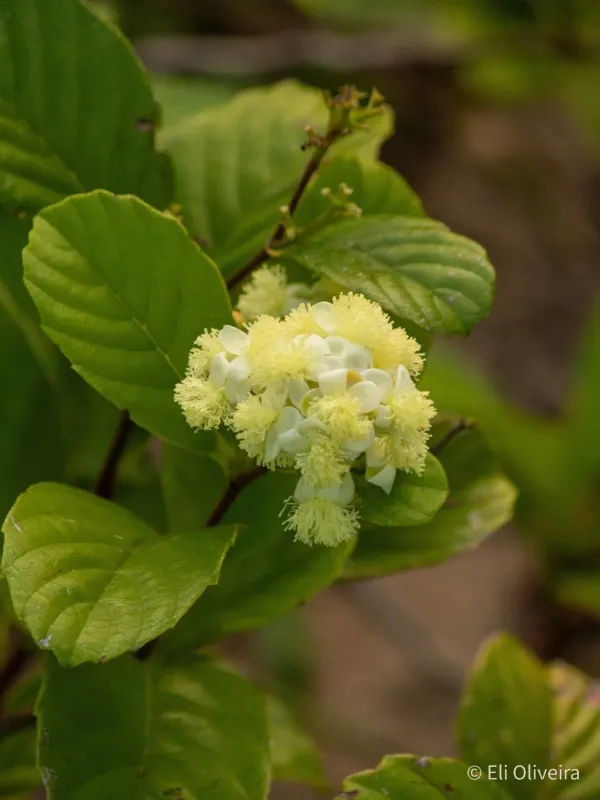
Description
Growing requirements
Tetracera breyniana is a member of the Dilleniaceae family. It is a perennial woody plant that typically manifests as a climbing liana or a sprawling shrub in its natural habitat.
The species originates from the humid tropical forests of Southeast Asia. It thrives in regions characterized by high atmospheric humidity and consistently warm temperatures throughout the year.
Successful cultivation requires fertile, well-draining soil with a neutral to slightly acidic pH. Proper drainage is essential to prevent waterlogging, which the plant cannot tolerate.
The plant requires ample sunlight to develop, although younger specimens can tolerate partial shade. Ideal growing temperatures generally range between +22 and +28 degrees Celsius.
Its хозяйственное use involves traditional medicinal applications and local handicraft production. The characteristic rough texture of the leaves has historically been utilized as a natural abrasive.
Main diseases and pests
The primary threats to this culture are fungal diseases, often caused by inadequate ventilation or excessive humidity. These infections typically present as spotting on the foliage.
Pests such as scale insects and mealybugs represent a significant risk. They feed on plant sap, particularly on younger stems, which can severely stunt the plant's growth.
Proactive care includes regular sanitary pruning and maintaining consistent air circulation around the plant. It is crucial to monitor soil moisture to prevent overwatering during dormant periods.
Biological insecticides are the preferred method for managing pest outbreaks. Chemical treatments should be reserved for severe infestations where biological control is ineffective.
Implementing strict quarantine protocols for new plant material is essential to prevent the introduction of pests. Frequent monitoring is the best strategy for long-term health.