
Thinleaf sunflower
Helianthus decapetalus L.
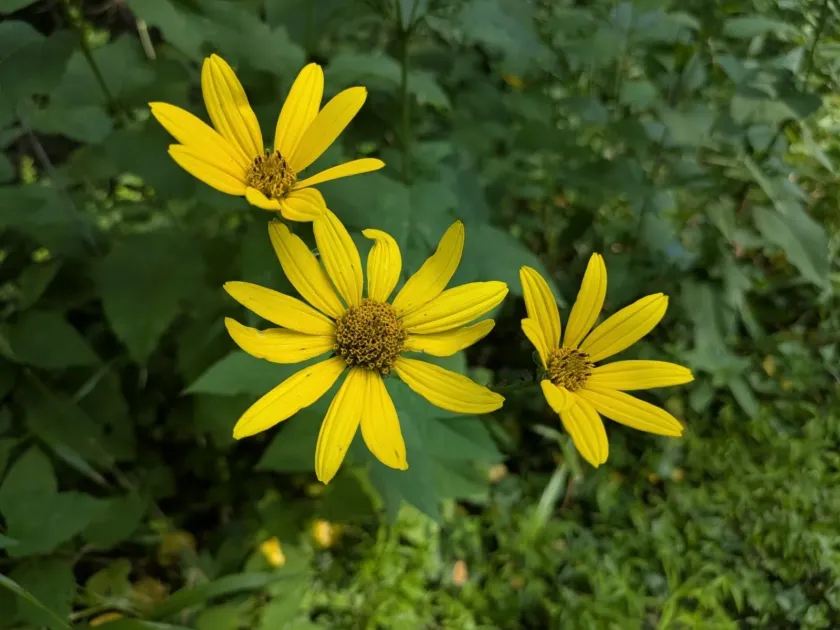
Description
Growing requirements
The thinleaf sunflower (Helianthus decapetalus L.) is a perennial herbaceous plant belonging to the Asteraceae family. Known for its robust root system, it spreads via rhizomes, which contributes to its high winter hardiness and ability to thrive as a long-lived landscape feature in temperate climates.
Native to North America, this species is typically found in woodlands and moist meadows. Its adaptability has allowed it to become a popular choice for gardens and naturalized areas, where it adds vibrant, golden-yellow color during late summer and autumn when many other perennials have faded.
To ensure optimal growth, thinleaf sunflowers should be planted in locations with full sun to partial shade. They perform best in nutrient-rich, moist, and well-draining soils. While the species is somewhat drought-tolerant once established, supplemental irrigation during extreme dry spells helps maintain lush foliage and maximum flowering potential.
The agrotechnical approach focuses on maintaining soil fertility through organic or mineral fertilizers applied in spring. As a rhizomatous perennial, the plant can become aggressive; therefore, occasional division of the clumps every few years is recommended to manage its spread and rejuvenate the plant population.
In landscaping, this sunflower serves as a magnificent background plant. Its height and branching structure make it ideal for borders, cottage gardens, and native plant meadows. Furthermore, it serves an important ecological role by providing nectar for bees and other pollinators during the late season.
Main diseases and pests
Like many members of the sunflower family, thinleaf sunflowers are susceptible to powdery mildew, especially in humid conditions with poor air circulation. Proper spacing between plants is crucial to mitigate fungal risks and ensure healthy foliage development throughout the season.
Common pests include aphids, which may cluster on growing tips, and spider mites in hot, dry weather. Regular monitoring and the application of horticultural soaps or systemic insecticides when infestation occurs can effectively manage these pests without damaging the overall health of the plant.