
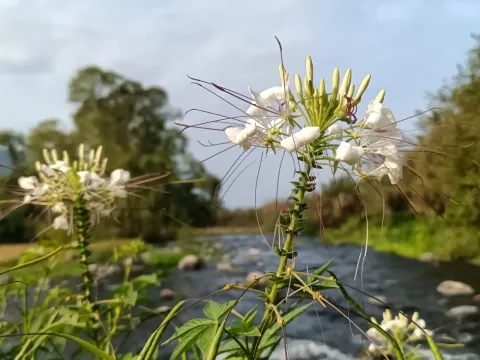
Tarenaya
Tarenaya Raf.
Tarenaya (genus Tarenaya Raf.) is a plant group within the Capparaceae family. For many years, these species were grouped under the Cleome genus, and the distinction remains important for accurate botanical identification and seed sourcing.
What the section contains


Tarenaya
Sowing should be performed directly into the field once the soil has warmed sufficiently in the spring, as this crop is highly sensitive to frost and cold-induced growth inhibition during the germination phase.
Seeds should be planted at a depth of 1–2 centimeters, ensuring firm soil contact. Maintaining row spacing of approximately 45–50 centimeters is essential for later field operations and proper plant development.
Seedlings typically emerge within 7–14 days. Proper soil moisture must be maintained during this sensitive period to support the initial development of the root system and primary foliage.
Thinning the stand to ensure adequate spacing is recommended to prevent competition for light and nutrients, which promotes more uniform and robust growth across the field.
This crop thrives in light, well-drained soils, preferably sandy or loamy textures, with a neutral to slightly alkaline pH. Proper drainage is critical, as waterlogging is a primary cause of crop failure.
Tarenaya requires significant sun exposure to achieve its full potential. Commercial cultivation should be restricted to open, sunny fields that are sheltered from strong, damaging winds.
The ideal temperature range for vegetative development lies between +20°C and +28°C. Growth rates significantly decrease if temperatures drop below +10°C, and consistent warmth is required for flowering.
Irrigation must be precise; while the plant possesses some degree of drought tolerance once established, consistent moisture levels throughout the growing season are preferred for maximum yield.
Fertilization regimes should be balanced, with an initial focus on nitrogen to promote leaf production, followed by potassium and phosphorus application to support flower and seed maturation.
Tarenaya is utilized in various agricultural contexts, primarily as a biomass producer. In tropical and subtropical regions, certain species are valued for their potential as forage crops.
The yield of green matter is highly dependent on environmental conditions, soil fertility, and the overall quality of field management, including weed and pest control practices.
The seeds of Tarenaya contain significant oils, which presents an opportunity for industrial applications. While currently a niche interest, the lipid profile of the seeds is a subject of ongoing study.
The crop serves as an excellent nectar source, attracting numerous pollinators to the field, which can provide an indirect benefit to nearby entomophilous agricultural crops.
Overall economic returns are optimized through intensive management practices that focus on high plant density and the maintenance of soil aeration throughout the entire growing season.
Aphids are the most common pests affecting Tarenaya, frequently clustering on young shoots and buds, which can lead to stunted growth and reduced vigor if left untreated.
Powdery mildew represents a significant fungal threat, particularly in regions characterized by high humidity and stagnant air circulation within the canopy of the plants.
Root rot pathogens thrive in compacted or waterlogged soils, making appropriate irrigation management the primary line of defense against these devastating soil-borne diseases.
Effective pest and disease management is best achieved through integrated approaches, including the use of certified disease-free seeds and strict adherence to crop rotation cycles.
Early detection through frequent field monitoring allows for timely intervention, ensuring that any localized outbreaks do not spread throughout the entire crop population.