
Tarenaya houtteana
Tarenaya houtteana (Schltdl.) Soares Neto & Roalson
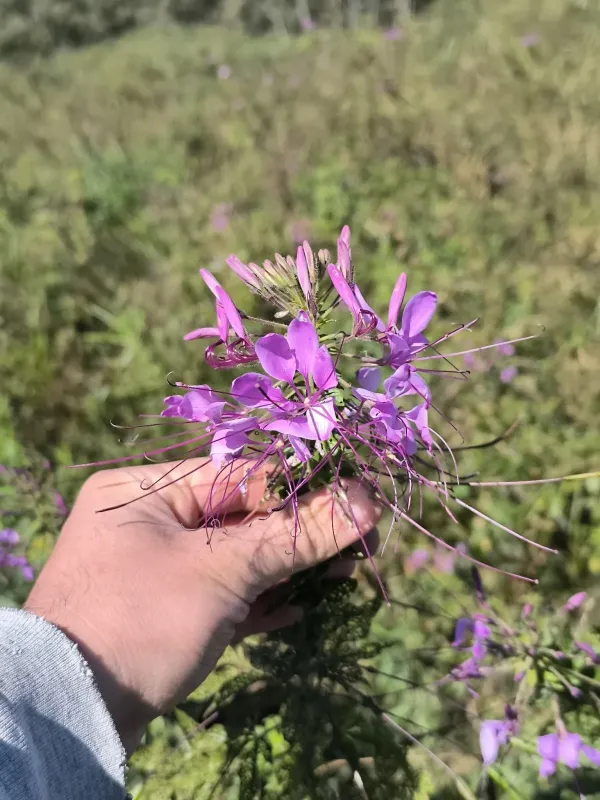
Description
Sowing dates
Tarenaya houtteana, a member of the Capparaceae family, requires a long growing season to reach its full potential. Seedlings should be started indoors about six to eight weeks before the last expected frost date.
Sowing depth should be minimal, approximately 0.5 centimeters, using a sterile, well-draining potting medium. Consistent moisture is crucial for uniform germination, which typically occurs within two to three weeks.
Direct sowing is only feasible in climates with long, hot summers, where soil temperatures remain consistently above 18 degrees Celsius. Otherwise, transplanting is the standard practice for this species.
Care must be taken when transplanting, as the root systems can be sensitive to disruption. Utilizing biodegradable pots can help reduce transplant shock significantly.
Hardening off the seedlings is a vital step in the agricultural process, exposing the young plants to outdoor conditions gradually over a period of two weeks before final planting.
Growing requirements
This species thrives in full sun exposure. It is essential to choose a planting site that receives at least six to eight hours of direct sunlight daily to ensure vigorous growth and flowering.
Soil requirements focus on excellent drainage. While the plant adapts to various soil textures, it performs best in loamy, nutrient-rich soils with a slightly acidic to neutral pH level.
Watering management is key; the soil should be kept moist but not waterlogged. Once established, the plants show moderate tolerance to dry spells, but consistent hydration promotes higher aesthetic quality.
Fertilization with balanced organic matter or a controlled-release fertilizer during the early stages of development will support the rapid growth rates observed in this cultivar.
Tarenaya houtteana is primarily valued for its ornamental role in borders and landscaping, as well as its ability to provide high-quality nectar, serving as an important pollinator attractor.
Main diseases and pests
Root rot is the most significant threat to this crop, usually stemming from over-irrigation or poorly drained soil conditions that suffocate the root system.
Pests such as aphids and spider mites are common, especially in hot and dry environments. Monitoring the undersides of leaves frequently is recommended for early detection.
Fungal issues, including powdery mildew, can appear during periods of high humidity combined with poor airflow, requiring attention to spacing and plant density.
Early identification of signs of stress, such as yellowing leaves or stunted development, allows for timely intervention using appropriate organic or chemical control methods.
Implementing proper spacing between plants ensures adequate ventilation, which is one of the most effective cultural practices for preventing the spread of diseases and pests.