
Tarenaya spinosa
Tarenaya spinosa (Jacq.) Raf.
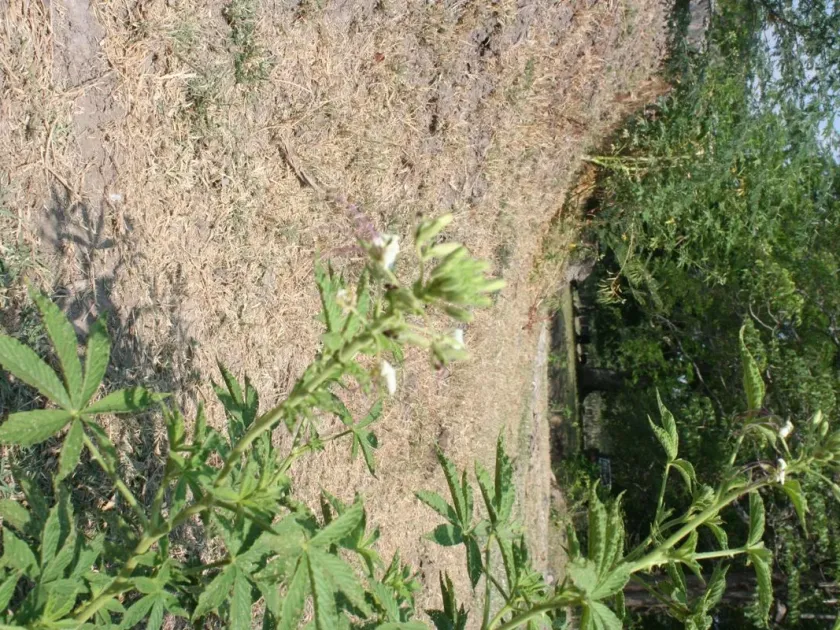
Description
Sowing dates
Tarenaya spinosa is a heat-loving annual crop that requires consistently high temperatures for successful seed germination. The ideal sowing time occurs when soil temperatures reach 20–25 degrees Celsius, ensuring rapid development.
In tropical and subtropical zones, seeds are typically sown directly into the field at the start of the rainy season or after the risk of late frosts has passed. Seeds should be sown at a shallow depth to ensure optimal soil moisture contact.
For cultivation in cooler climates, using the seedling method in protected ground is highly recommended. This practice shortens the vegetative period, allowing for a more successful establishment before environmental stresses arise.
Proper spacing between rows is essential to provide each plant with adequate nutrition and space. Overcrowding often leads to stunted growth and increased susceptibility to various environmental and pest-related pressures.
Pre-sowing treatment of seeds, such as mild soaking, significantly improves germination rates. Using high-quality, certified seeds is a fundamental step in ensuring a uniform and healthy stand across the field.
Growing requirements
This plant belongs to the Capparaceae family and is native to the tropical regions of Central and South America. It thrives in well-drained, fertile soils with a neutral or slightly acidic pH balance.
Tarenaya spinosa demands high light intensity and is intolerant of shading. Direct sunlight is a critical driver for vegetative mass development and the subsequent initiation of the flowering phase.
Water management must be consistent, especially during peak growth stages; however, waterlogging is detrimental to the root system. Effective soil drainage is essential for preventing root-related pathologies.
Botanically, the plant features distinct structural characteristics, including thorns along the stems as a defensive mechanism. Its compound palmate leaves are efficient at capturing sunlight, promoting vigorous photosynthetic activity.
Maintaining a temperature range between 22 and 30 degrees Celsius is necessary for optimal performance. Sharp temperature fluctuations can cause physiological stress, leading to flower drop and growth interruption.
Main diseases and pests
Common pests affecting Tarenaya spinosa include various species of aphids and spider mites, which typically colonize young stems and leaves. Regular field monitoring is essential for early detection and mitigation.
Fungal diseases, such as powdery mildew, may emerge in high-humidity conditions with poor air circulation. Proper row spacing and efficient weed management are vital cultural practices for reducing disease incidence.
Root rots are the most dangerous threats when the crop is grown on heavy, saturated soils. Implementing a sound crop rotation plan and improving soil structure are the best preventive strategies against these pathogens.
Although the thorns provide a natural defense against many herbivores, they are ineffective against piercing-sucking insects. Biological pest control agents are preferred to maintain the ecological balance of the plantation.
Bacterial wilt may occur under unfavorable climate conditions, particularly where mechanical damage to stems has taken place. Maintaining sanitary standards for field equipment is a critical requirement for preventing the spread of infection.