
Syagrus weddelliana
Syagrus weddelliana
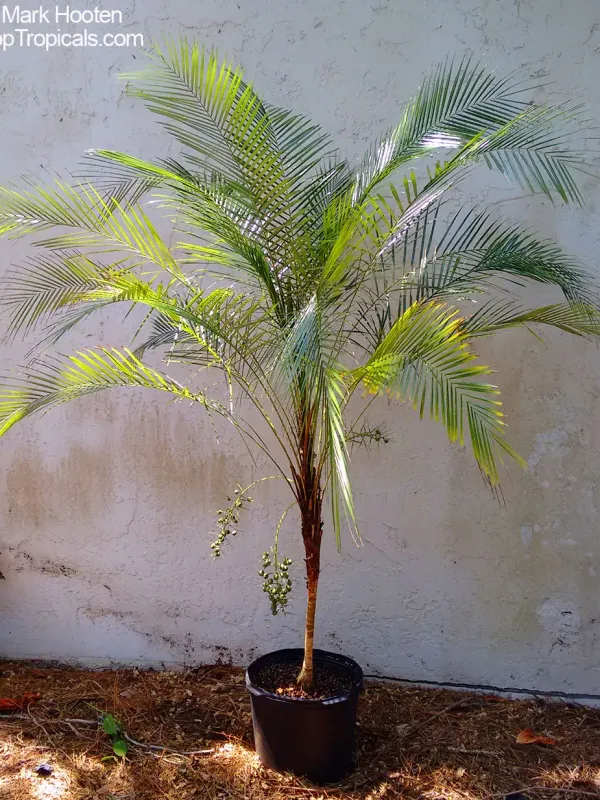
Description
Growing requirements
Syagrus weddelliana, commonly known as the Weddell palm, belongs to the Arecaceae family. This species originates from the rainforests of Brazil, where it grows in the understory. It is widely recognized for its fine, feathery foliage that adds an elegant touch to any tropical landscape or interior collection.
This palm thrives in warm, stable tropical conditions. The optimal temperature range for development is between 20°C and 27°C. It is particularly sensitive to cold drafts and temperatures falling below 15°C, which can stunt its growth and damage the sensitive root system.
Humidity is a vital factor for the survival of this species. As a native of the rainforest floor, it requires a high humidity level of at least 60%. Frequent misting and the use of pebble trays with water are standard agricultural practices to maintain its vibrant green color.
The choice of soil is crucial for the health of Syagrus weddelliana. A well-draining, slightly acidic soil mix is preferred. It should contain organic matter, such as peat or humus, mixed with perlite or coarse sand to ensure that water does not stagnate around the roots.
In terms of light, the palm prefers bright, filtered sunlight. Excessive direct sun can scorch the delicate leaflets, while insufficient light will cause the plant to lose its characteristic vigor and slow its growth significantly. Proper placement is essential for successful year-round cultivation.
Main diseases and pests
Pest control is a significant challenge for growers of Syagrus weddelliana. Common invaders include spider mites, mealybugs, and scale insects, which often target the underside of the leaves. These pests proliferate rapidly in environments where the air is dry or stagnant.
Root rot is the most common physiological disorder caused by overwatering. If the substrate remains waterlogged for extended periods, the roots lose their ability to absorb oxygen, leading to rapid decay. It is essential to ensure the soil is slightly dry before the next watering session.
Leaf spot diseases, often caused by fungi or bacteria, can occur when foliage remains wet or when there is insufficient air circulation. Keeping the leaves dry and ensuring good ventilation around the plant is critical for disease prevention.
Nutrient deficiencies often manifest as yellowing of the older leaves, known as chlorosis. This usually suggests a lack of essential minerals like magnesium, potassium, or iron. Using a balanced palm-specific fertilizer during the active growing season is recommended.
Regular monitoring of the palm's health, combined with a preventative care strategy involving natural or mild chemical treatments, ensures that Syagrus weddelliana remains free from infestation and disease throughout its lifecycle.