
Syagrus amara
Syagrus amara
Description
Growing requirements
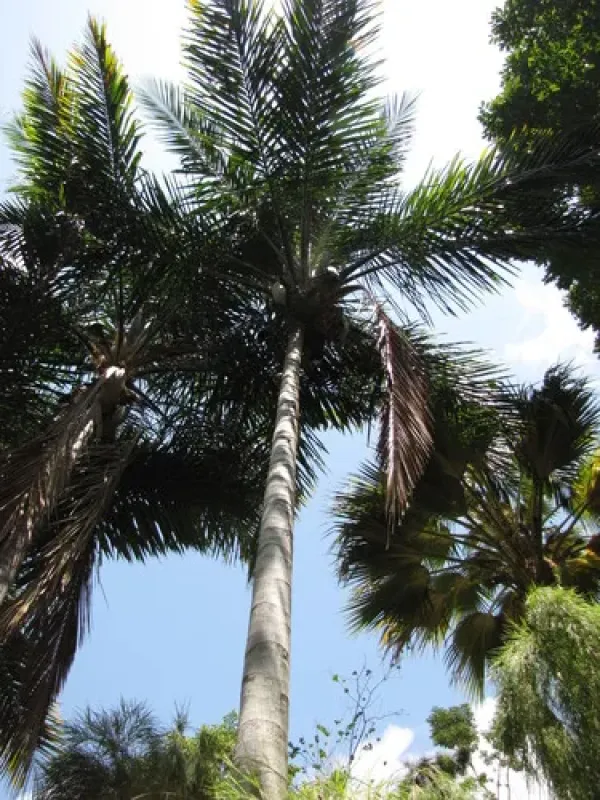
Syagrus amara is a species of flowering plant within the palm family (Arecaceae). It is a robust, tall-growing palm native to the Lesser Antilles, commonly identified by its singular, prominent stem and pinnate leaves.
The geographic origin of this plant is centered in the Caribbean, where it thrives in humid, tropical environments ranging from coastal areas to mountainous slopes. It is well-adapted to high precipitation and warm temperatures.
Cultivation requirements necessitate a climate without frost, as the species is highly sensitive to cold weather. Providing sufficient sunlight is crucial during the early stages of establishment to ensure healthy crown development.
Soil preferences lean towards deep, well-draining substrates rich in organic matter. Proper aeration of the root system is vital, and heavy, waterlogged soils should be avoided to prevent root rot and physiological stress.
Beyond its botanical interest, the species is valued for its oily seeds. It is frequently employed in tropical landscaping and botanical conservation projects, adding structural diversity and aesthetic appeal to its habitat.
Main diseases and pests
The primary agricultural threats to Syagrus amara include fungal diseases that typically affect foliage and stems in high-humidity conditions with insufficient airflow.
Insects, particularly palm weevils, represent the most significant pest pressure, as they can bore into the trunk and cause irreversible damage to the structural integrity of the palm.
Management strategies involve the application of integrated pest management practices, including the use of targeted systemic insecticides and regular field inspections.
Maintaining optimal plant nutrition is essential, as nutrient deficiencies can make the palms more susceptible to opportunistic pathogens and environmental stressors.
Sanitation practices, such as the removal of dead fronds and debris, are fundamental in preventing the build-up of pest populations and fungal spores within the cultivation area.