
Syagrus campestris
Syagrus campestris
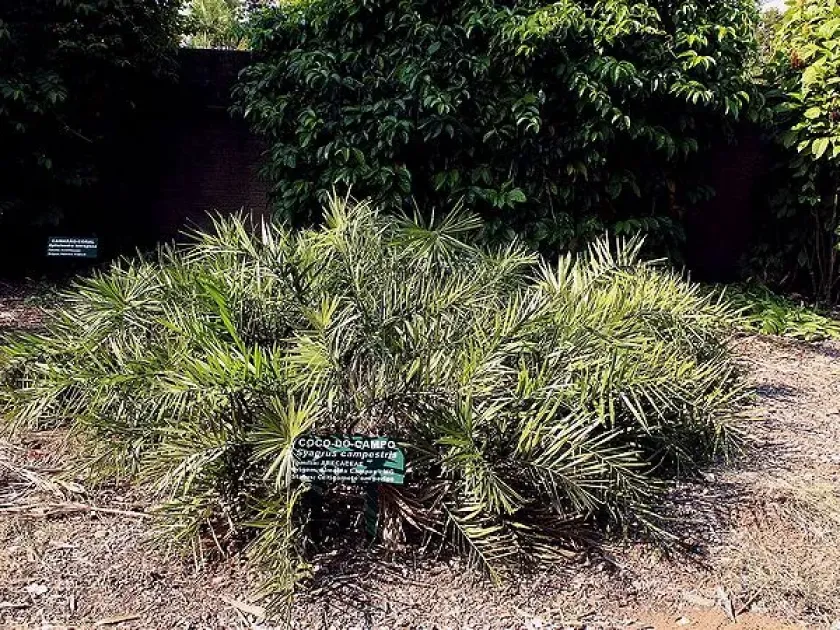
Description
Growing requirements
Syagrus campestris is a distinct species belonging to the Arecaceae family, native to the savanna regions of Brazil. This palm is highly specialized for growth in open, well-lit areas with specific soil characteristics.
The plant features a relatively short, often subterranean stem, which is an evolutionary adaptation to the harsh, open environments of the Brazilian campos. The leaves are stiff, pinnate, and have a glaucous appearance.
To cultivate this species successfully, growers must provide extremely well-draining soil, ideally a mix that mimics natural sandy or rocky substrates. Waterlogging is the most critical factor to avoid, as it leads to root asphyxiation.
Full sun exposure is a non-negotiable requirement for this palm. It thrives in high-light conditions, which are essential for maintaining the density and color of its foliage and overall structural integrity.
Thermal stability is vital for this species. It does not tolerate frost and prefers warm temperatures year-round, making it a challenging but rewarding crop for specialized nursery environments in warmer climates.
Main diseases and pests
The primary threats to Syagrus campestris include various soil-borne fungi that flourish in improperly drained substrates. These pathogens quickly compromise the root system of the palm.
Insect pests such as spider mites and mealybugs are major concerns, particularly when the plant is kept in indoor or greenhouse settings where air circulation is restricted.
Scale insects can also colonize the fronds, causing localized damage and weakening the plant's ability to conduct photosynthesis effectively.
Effective management includes implementing a strict irrigation schedule that allows the top layer of soil to dry out completely between waterings, reducing the incidence of rot.
Regular monitoring of the leaf undersides is recommended to detect and treat pest infestations early before they reach levels that damage the aesthetic value of the palm.