
Syagrus flexuosa
Syagrus flexuosa
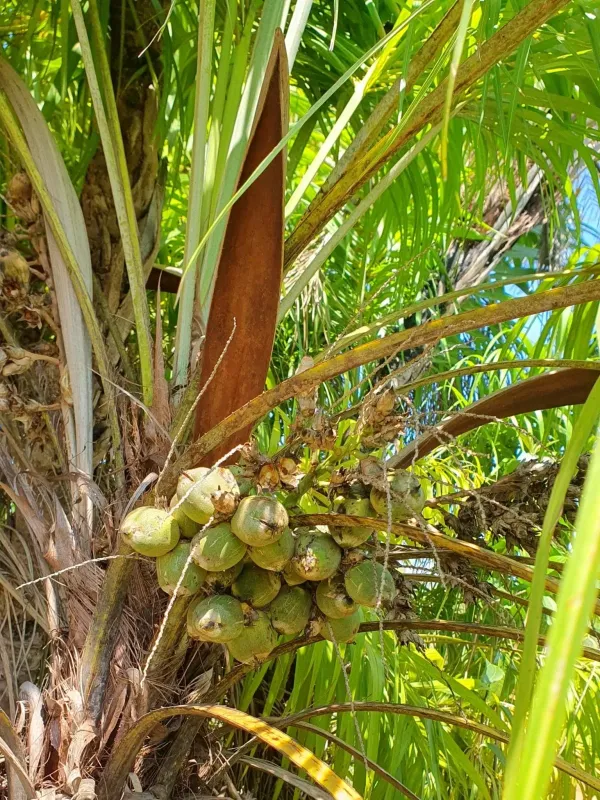
Description
Growing requirements
Syagrus flexuosa is a distinct palm species belonging to the Arecaceae family. Native to the Cerrado regions of Brazil, this palm is biologically adapted to harsh, seasonally dry environments and savanna-like landscapes.
The cultivation of this plant requires well-draining, sandy, or rocky soil profiles. Being a sun-loving species, it thrives in environments with high solar radiation and cannot tolerate shade, which limits its growth and development.
Regarding climate, this palm is strictly tropical. It demands consistently warm temperatures year-round and is highly sensitive to freezing conditions, which can be fatal to young specimens.
Agricultural management emphasizes controlled irrigation. While the plant possesses significant drought tolerance, it requires careful monitoring during the establishment phase to ensure the root system is adequately supported without the risk of waterlogging.
The economic and practical use of Syagrus flexuosa includes landscaping in arid tropical zones and the utilization of its fruits, which are traditionally valued for local consumption and as a resource for local fauna.
Main diseases and pests
The primary threats to Syagrus flexuosa health include root pathogens triggered by excessive soil moisture and poor aeration. Fungus-related diseases can compromise the structural integrity of the palm quite rapidly.
Pest pressures are largely dominated by palm-boring beetles and various scale insects. These organisms can penetrate the trunk or feed on leaf tissue, leading to significant structural damage and secondary infections.
Effective management requires routine inspections of the crown area, where pests often congregate. Implementing a proactive sanitation strategy, including the removal of dead palm fronds, is essential for maintaining plant vigor.
In cases of infestation, systemic insecticides applied according to agricultural standards can prevent major outbreaks. It is critical to ensure that chemical applications are timely and precisely targeted to avoid environmental runoff.
- Regular soil testing for nutrient deficiencies.
- Prompt removal of infected plant tissues.
- Monitoring for early signs of yellowing leaves.
- Ensuring optimal drainage during the monsoon season.
- Selective use of biological control agents where possible.