
Syagrus coronata
Syagrus coronata
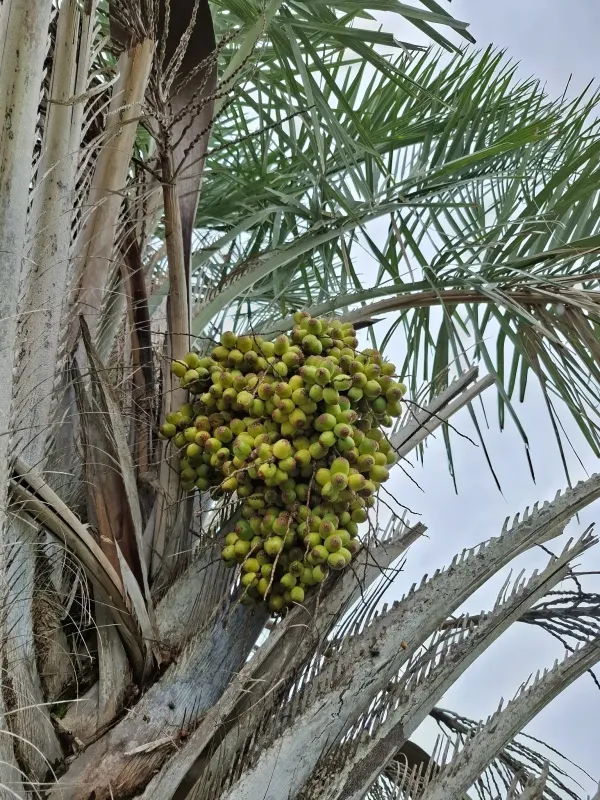
Description
Growing requirements
Syagrus coronata, commonly known as the licuri palm, belongs to the Arecaceae family. This species is native to the semi-arid regions of Brazil, particularly within the Caatinga biome, where it has evolved to thrive in harsh, dry environments.
The plant is characterized by a single, ringed stem and a crown of feathery, glaucous leaves. It is highly adapted to intense heat and prolonged periods of drought, making it an excellent candidate for agricultural development in water-scarce zones.
Regarding soil requirements, Syagrus coronata prefers well-drained, sandy soils. While it can tolerate nutrient-poor substrates, growth rates are significantly improved with appropriate organic matter management and fertilization.
The species requires full sun exposure for healthy development. Shading, particularly during the early vegetative stages, can lead to spindly growth and reduced overall vigor in the young palm specimens.
Cultivation techniques involve careful seed selection and nursery propagation. Due to the hard endocarp of the fruit, specific pre-sowing treatments are often necessary to break seed dormancy and ensure uniform germination.
Yield
The primary agricultural output of Syagrus coronata is its fruit, which is highly valued for its oil content. The oil extracted from the kernels is versatile, serving the food industry as well as the manufacturing of soaps and cosmetics.
The press cake left over after oil extraction is an important agricultural by-product. It serves as a protein-rich feed supplement for livestock, which is essential for sustainable mixed-farming systems in semi-arid areas.
Beyond the oil, the fronds and fibers of the licuri palm are utilized for artisanal crafts, providing additional socio-economic benefits. The durability of these materials makes them suitable for weaving baskets and mats.
Recent research is exploring the potential of Syagrus coronata biomass for renewable energy production. Converting palm waste into fuel could enhance the long-term economic viability of large-scale plantations.
The yield potential of the licuri palm is highly dependent on plantation density and maintenance. With proper management of pollination and water resources, these palms can provide consistent annual harvests for many decades.
Main diseases and pests
Fungal pathogens represent the most significant threat to plantation health, especially when soil drainage is inadequate. Root and collar rots can occur rapidly if the soil remains waterlogged for extended periods.
Pest management focuses on coleopteran insects that target the apical meristem or the base of the petioles. Implementing integrated pest management strategies is crucial to minimize the use of harsh chemicals.
Overgrazing by livestock remains a major threat to natural recruitment and young plantations. Protecting seedlings from browsing animals is a mandatory practice for successful plantation establishment.
Abiotic stresses, such as extreme heatwaves combined with unprecedented low rainfall, may impact the reproductive cycle of the palms. Supplemental irrigation strategies are becoming increasingly relevant for large-scale operations.
To ensure healthy yields, it is vital to keep the plantation clear of decaying plant debris, which can harbor pests and secondary disease infections. Regular monitoring remains the primary tool for disease prevention.