
Queen palm
Syagrus romanzoffiana
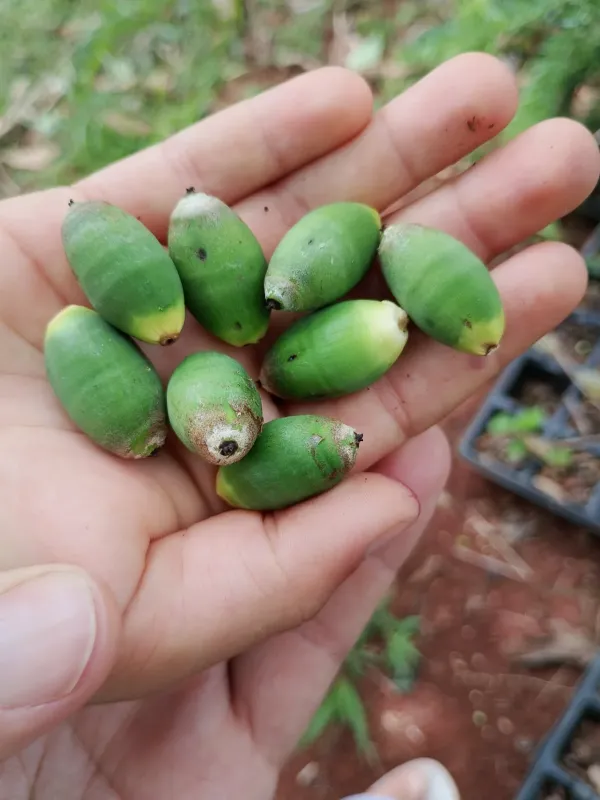
Description
Growing requirements
The Queen palm (Syagrus romanzoffiana) is a prominent member of the Arecaceae family. This ornamental tree is recognized by its tall, slender trunk and massive, feathery fronds that can extend several meters in length, providing significant aesthetic value.
Native to South America, specifically Brazil, Argentina, and Paraguay, the species has been successfully introduced to subtropical regions worldwide. It thrives in humid environments where the climate provides sufficient warmth throughout the growing season.
Agrotechnical requirements for the Queen palm include well-drained, nutrient-rich soil. It is essential to ensure that the site does not have standing water, as the root system is highly susceptible to hypoxia and subsequent rot if soil porosity is low.
This crop requires full sun exposure to reach its full potential. While it can tolerate partial shade, insufficient light often results in weak frond development and reduced structural integrity, making the palm more vulnerable to physical damage.
Economically, this palm is a staple in high-end commercial landscaping and urban planning. Its ability to withstand moderate traffic and provide shade makes it a preferred choice for parks and decorative avenues in suitable climate zones.
Main diseases and pests
Fungal diseases are the primary threat, often stemming from improper irrigation techniques. Leaf spot and root rot are prevalent in poorly ventilated areas where humidity remains trapped within the dense foliage of the palm crown.
Pests such as spider mites and mealybugs frequently attack the fronds during periods of dry, hot weather. These pests can cause significant leaf drop and reduced photosynthesis if left unmanaged by periodic insecticide applications.
Scale insects present a hidden challenge, adhering to the undersides of leaves and stems. Agronomists recommend monitoring these areas closely, as scale damage can lead to sooty mold growth, which inhibits the palm's ability to produce energy.
Nutrient deficiencies, particularly involving potassium and manganese, are common in soils with incorrect pH levels. Regular soil testing and the application of granular, slow-release palm fertilizers are recommended to maintain optimal growth rates.
Integrated pest management (IPM) is the best strategy for maintaining healthy plantations. By promoting beneficial insects and avoiding over-reliance on broad-spectrum pesticides, growers can sustain long-term tree health and minimize environmental impact.