
Guariroba
Syagrus oleracea
Description
Growing requirements
Guariroba (Syagrus oleracea) is a single-stemmed palm species belonging to the Arecaceae family. Native to South America, particularly Brazil, this palm is widely recognized for its agricultural and culinary significance in tropical regions.
The plant thrives in tropical climates characterized by warm temperatures and sufficient humidity. It prefers deep, well-draining soils rich in organic matter, which allow its extensive root system to anchor firmly and absorb essential nutrients efficiently.
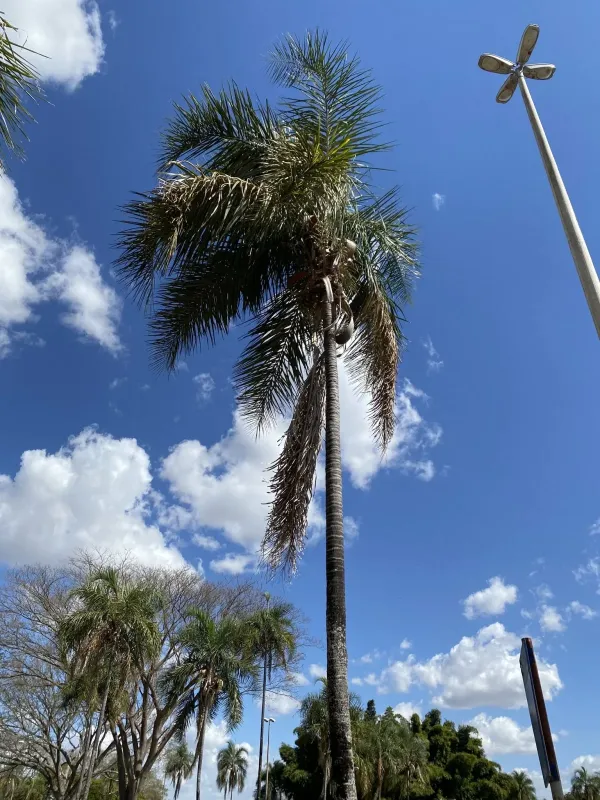
Botanically, it features a smooth, tall trunk topped by a crown of feathery leaves. This structure is perfectly adapted to maximize sunlight interception in its natural habitat, facilitating vigorous growth and biomass production.
Cultivation requires careful site selection to avoid areas with prolonged waterlogging. While it is hardy, young palms require protection from strong winds and intense drought during the establishment phase.
Optimal spacing is essential in plantation settings to ensure that each palm has access to sunlight and airflow, which are critical for minimizing fungal development and promoting consistent growth rates.
Yield
The economic yield of Guariroba is two-fold: it is highly prized for its edible heart of palm (palmito) and its oil-rich fruits. The harvest schedule is typically dictated by the growth rate and the specific purpose of the cultivation.
Palms begin to bear fruit after reaching maturity, producing large clusters of orange-colored drupes. These fruits are harvested manually, requiring workers to reach significant heights or use specialized climbing equipment.
The heart of palm is harvested by processing the apical meristem. This method of farming usually requires subsequent replanting or careful management of offshoots to ensure the sustainability of the agricultural operation.
Productivity is closely linked to soil fertility and the frequency of moisture. Regular fertilization programs tailored to the palm's nutritional needs significantly enhance both the quality and quantity of the harvest.
- Strategic fertilization based on soil analysis
- Consistent irrigation during dry seasons
- Controlled harvesting practices for sustainability
- Monitoring of fruit ripeness levels
Main diseases and pests
Palm weevils are the primary threat to Syagrus oleracea. Their larvae bore into the trunk and apical bud, which can kill the palm if the infestation is not detected and treated early enough.
Fungal pathogens represent another significant risk, often exacerbated by high humidity and poor drainage. Management involves maintaining hygienic plantation conditions and preventing any standing water in the root zone.
Structural damage from mechanical harvesting or environmental factors can create entry points for pathogens and pests. Careful handling and regular site inspections are vital for the longevity of the plantation.
Integrated Pest Management (IPM) strategies, including the use of biological control agents and pheromone traps, are recommended to maintain high production standards while minimizing chemical dependency.
Proactive management of these threats ensures that plantations remain productive and profitable over the long term, preventing devastating losses that can occur in monoculture systems without proper oversight.