
Syagrus hoehnei
Syagrus hoehnei
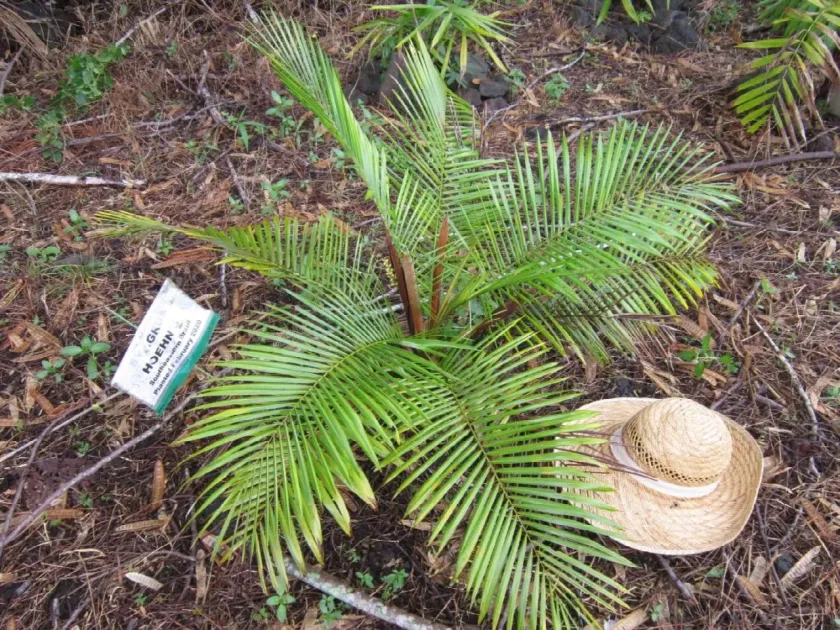
Description
Sowing dates
Propagation of Syagrus hoehnei is primarily achieved through seed germination. Fresh seeds are highly recommended, as the viability of the endosperm decreases significantly over time if stored improperly.
Seeds should be planted in a well-draining, sterile potting mix at a depth roughly equal to their diameter. Maintaining high moisture and temperature levels, ideally around 26-30°C, is essential for successful germination.
The germination period can be quite long, sometimes lasting several months depending on the freshness of the seeds. Utilizing bottom heat during this phase can significantly reduce waiting time and improve consistency.
Once seedlings develop their first true leaves, they should be carefully transplanted into individual pots. Minimizing root disturbance at this stage is crucial for ensuring the long-term vigor of the young palm.
Gradual acclimatization to external light conditions should be practiced before permanent planting in outdoor tropical environments to prevent shock to the young foliage.
Growing requirements
Syagrus hoehnei is a member of the Arecaceae family, native to the tropical regions of Brazil. It thrives in environments that mimic its natural habitat, requiring consistent warmth and protection from frost.
The ideal soil profile consists of loose, sandy-loam structures with high organic matter content. It is imperative that the soil provides excellent drainage to prevent the root system from sitting in stagnant water.
Regarding light, this palm species prefers full sun to partial shade. In its natural environment, it competes for light in the canopy, so providing adequate solar exposure is vital for leaf density and trunk growth.
Maintenance involves routine watering schedules that keep the root ball moist but not waterlogged. In container-grown specimens, allowing the top layer of soil to dry out between waterings is a recommended best practice.
Nutritional needs are met through slow-release, balanced fertilizers enriched with trace elements. Magnesium and potassium are particularly important for preventing deficiencies in older palm foliage.
Main diseases and pests
Scale insects and mealybugs are the most common pests affecting this species. They often hide in the tight crevices between the leaflets and the trunk, making them difficult to eradicate without systemic treatments.
Fungal diseases, such as leaf spot, can become problematic in areas with stagnant air and constant humidity. Ensuring good airflow around the crown is the primary defense against such pathogens.
Root rot caused by poor soil drainage remains the most lethal threat to Syagrus hoehnei. Once symptoms like yellowing or drooping leaves appear, the condition is often advanced, necessitating immediate soil amendment.
Nutrient deficiency symptoms, specifically yellowing along the margins of the leaves, require prompt analysis. Adjusting the fertilizer application or the soil pH can typically resolve these issues effectively.
- Routine inspection for pest colonies in the leaf axils.
- Preventive application of horticultural oils or systemic insecticides.
- Ensuring optimal soil pH levels to facilitate nutrient uptake.