
Syagrus vagans
Syagrus vagans
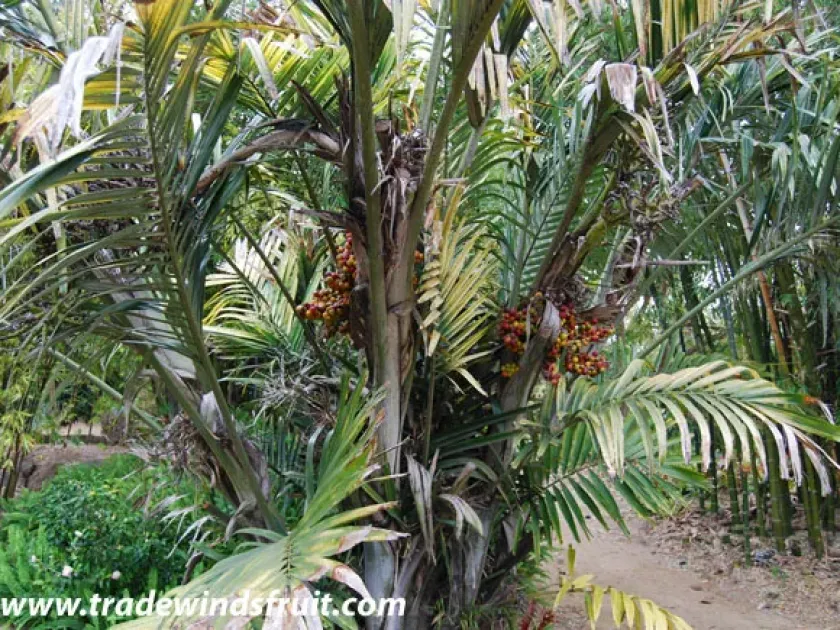
Description
Growing requirements
Syagrus vagans is a multi-stemmed palm species belonging to the Arecaceae family. Native to the arid regions of Brazil, it has evolved to thrive in environments characterized by limited rainfall and nutrient-poor soils.
Botanically, this species is defined by its robust, pinnate leaves and suckering habit, which allows it to form dense clumps. This structure is a clear adaptation to the harsh, open environment of its native caatinga habitat.
The cultivation of Syagrus vagans requires well-drained, porous soil types. It is intolerant of waterlogged conditions, which can lead to rapid root decay and plant mortality. It performs best in sandy or rocky substrates.
Optimal growth is achieved in full sunlight exposure. It is a highly heat-tolerant species that requires consistent tropical temperatures to maintain metabolic functions throughout the year.
Standard agronomic practices include the clearing of competing vegetation during the early establishment phase and light supplemental fertilization if the soil nutrient profile is exceptionally poor. It requires very little pruning beyond the removal of necrotic foliage.
Yield
The primary economic value of Syagrus vagans lies in the production of oily fruits. These are harvested for their oil content, which is used in various food and industrial applications, reflecting the palm's potential as a sustainable crop.
Yield capacity is influenced by the density of the plantation and the water availability during the flowering cycle. The plants enter a productive phase after a period of several years, provided they have established a strong root system.
Harvesting is typically conducted by manual removal of mature fruit clusters. Proper timing is essential to ensure maximum oil content and to prevent the premature degradation of the fruit pulp by soil microbes.
Post-harvest processing involves pulping and mechanical pressing of the seeds. This yields a stable oil that is valued for its unique chemical properties, often utilized in artisanal cosmetic or food product formulations.
The endocarp or shell of the seed serves as a secondary product, commonly used as fuel or as a substrate for other industrial manufacturing processes, contributing to a zero-waste agricultural approach.
Main diseases and pests
The most significant pests affecting this species are palm-boring weevils. These insects can cause structural damage to the stems, necessitating careful surveillance and the use of integrated pest management strategies.
Fungal pathogens associated with excessive moisture are a common threat. These pathogens can compromise the health of the foliage or the crown, leading to diminished photosynthetic efficiency and lower yields.
Root rot is a major risk when the drainage requirements of the palm are not met. Establishing the crop on appropriately sloped or well-drained terrain is the most effective preventative measure against soil-borne diseases.
Competition from invasive weeds during the early years of development can significantly reduce the growth rate of young palms. Regular weed control around the base is critical for successful crop establishment.
In case of severe infestations, targeted application of environmentally safe pesticides or the removal of severely affected stems is advised to protect the overall integrity of the agricultural stand.