
Syagrus schizophylla
Syagrus schizophylla
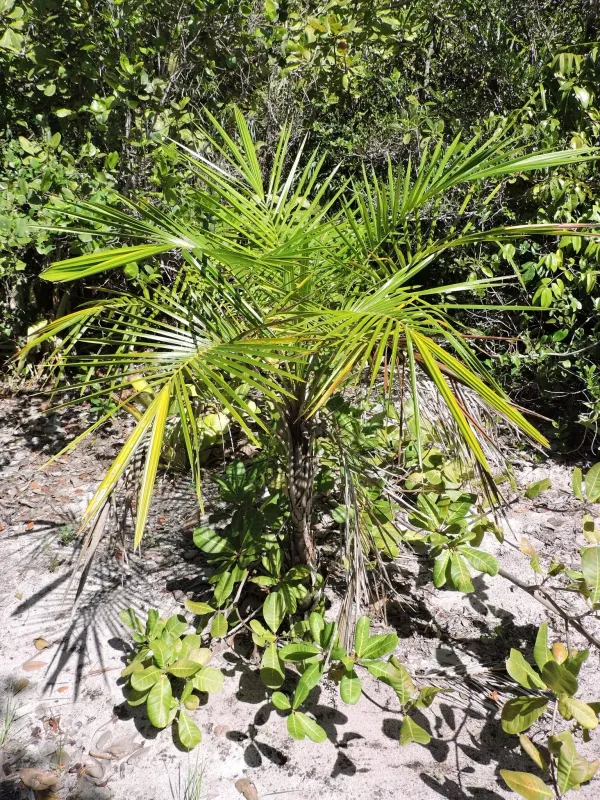
Description
Growing requirements
Syagrus schizophylla, commonly known as the Arikury palm, belongs to the Arecaceae family. This species is native to the coastal regions of eastern Brazil, where it thrives in sandy, well-draining soils under warm tropical conditions.
The climate requirements for this palm are quite specific. It demands high temperatures throughout the year and is not frost-tolerant. In cooler climates, it must be grown in containers and moved indoors during the colder months to ensure survival.
Regarding soil conditions, this plant prefers a loose, sandy, and nutrient-rich medium. Proper drainage is essential; therefore, pots must have large drainage holes, and the soil should be amended with perlite or coarse sand to prevent water stagnation.
The Arikury palm is highly heliophilic, meaning it requires intense, direct sunlight to maintain its characteristic compact shape and dense foliage. Shaded conditions lead to weak growth and increased vulnerability to pests and diseases.
Watering should be balanced. The plant enjoys consistent moisture during the active growing season, but the soil should be allowed to dry slightly at the surface before the next watering session. During winter, watering frequency should be reduced significantly.
Main diseases and pests
Common pests include spider mites and mealybugs, which frequently attack the fronds, especially in indoor environments with low humidity. Regular leaf inspections and the use of insecticidal soaps are effective management strategies.
Fungal issues, such as leaf spot or root rot, are often consequences of poor air circulation and excessive watering. Improving drainage and ensuring the palm is placed in a well-ventilated area can significantly mitigate these risks.
Nutrient deficiencies, specifically chlorosis, can occur if the soil pH is not ideal or if there is a lack of trace elements. Using specialized palm fertilizers ensures that essential nutrients are available for optimal plant health.
Environmental stress, such as sudden temperature drops or harsh cold drafts, can cause brown tips and stunted development. Keeping the palm in a stable environment away from HVAC vents is crucial for long-term health.
Prevention is the best approach to managing threats. Maintaining proper hygiene by cleaning fallen debris from the pot surface and ensuring that the plant is not overcrowded helps prevent the spread of localized infections.
Harvesting
The primary use of Syagrus schizophylla is ornamental. Due to its relatively short stature and graceful, feathery leaves, it is a popular choice for landscape designers working on tropical-style gardens and coastal residential projects.
The palm produces orange-colored fruits that contain seeds. While not a major commercial crop, the seeds are harvested for the nursery trade to propagate the species. The germination process is notoriously slow and requires consistent warmth and humidity.
In its native habitat, the plant is sometimes appreciated for its aesthetic contribution to the ecosystem. It does not require intensive harvesting practices, as its growth cycle is slow, and it is usually kept for permanent landscaping purposes.
For container-grown specimens, pruning is a regular part of maintenance. Removing older, yellowing fronds near the base helps the plant direct its energy toward new growth and improves the overall appearance of the specimen.
Commercial cultivation involves meticulous monitoring of seedling development. The use of specialized fertilizers, rich in potassium and magnesium, is recommended to ensure robust growth and vibrant leaf coloration in commercial nurseries.