
Syagrus sancona
Syagrus sancona
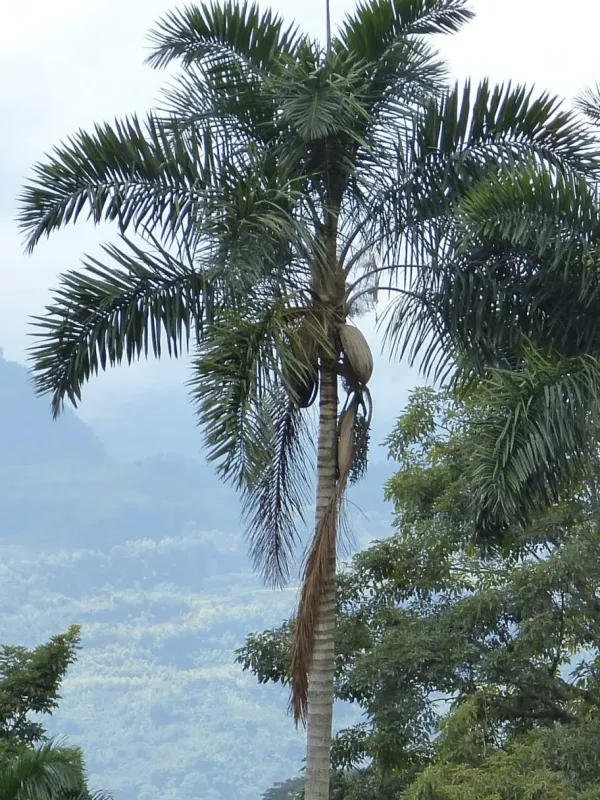
Description
Sowing dates
Propagation of this crop is performed exclusively through seeds. Freshly harvested seeds have the highest germination energy, so it is recommended to sow them immediately after extraction from the fruit.
To accelerate germination, seeds undergo scarification or pre-soaking in warm water for several days. It is important to maintain a stable substrate temperature of 25–30 degrees Celsius for optimal results.
Sowing is conducted in a loose, well-drained substrate based on peat and perlite. Seed containers should be placed in high-humidity conditions protected from direct sunlight until the first sprouts emerge.
The germination process can be prolonged, taking anywhere from a few months to a year. Regular monitoring of soil moisture is a critical factor for success during this stage.
Young seedlings require careful transplanting after the first pair of true leaves has formed. Damage to the root system during early stages is highly undesirable as the crop is sensitive to stress.
Growing requirements
Syagrus sancona belongs to the Arecaceae family and is a large, single-stemmed palm native to the humid forests of South America, particularly in Colombia and Ecuador.
The plant has high temperature requirements, preferring a tropical or subtropical climate without drastic temperature fluctuations. It does not tolerate freezing temperatures, which restricts its industrial cultivation area.
Successful growth requires fertile, deep, and well-drained soils. The crop does not tolerate waterlogging in the root zone, despite its natural adaptation to regions with heavy rainfall.
In its natural environment, the palm reaches a significant height, so agricultural use requires sufficient space. Intensive lighting is a mandatory condition for the development of a powerful trunk and healthy canopy.
In cultivation regions, the plant responds well to complex organic fertilizers, especially during periods of active vegetative growth and fruit development.
Main diseases and pests
The main pests of the crop are palm weevils, which can cause significant damage to the plant's stem if they multiply in large numbers.
Fungal diseases, such as Fusarium wilt, pose a serious threat when moisture levels are poorly managed or water stagnates near the roots. These diseases affect the palm's vascular system, often leading to tree death.
Spider mites and scale insects can attack the leaves, especially during drought periods or when nursery management practices are neglected, reducing the plant's overall photosynthetic activity.
Disease prevention includes regular sanitary pruning of dead leaves and the use of sterile tools to prevent the spread of infections.
The use of biological pest control methods is preferred over chemical treatments due to the high risk of damaging the canopy and the accumulation of toxic residues in the fruits.
Harvesting
The fruits of Syagrus sancona have economic value and are used by local populations as a source of vegetable oil and as a livestock feed resource.
Harvesting is performed manually by cutting the heavy fruit clusters that mature at the top of the palm. Due to the trunk's height, the process requires specialized lifting equipment or skilled climbers.
Fruit maturity is determined by changes in skin color and pulp density. Timely harvesting prevents losses from fruit falling to the ground and subsequent decay.
After collection, the fruits require rapid primary processing, such as separating the pericarp from the seed and drying. This is necessary to prevent the development of mold fungi that lower product quality.
The final processed product is used in the food industry and as raw material for technical purposes. Yield is highly dependent on the plant's age and proper micronutrient management.