
Saccharum arundinaceum
Saccharum arundinaceum Retz.
Description
Sowing dates
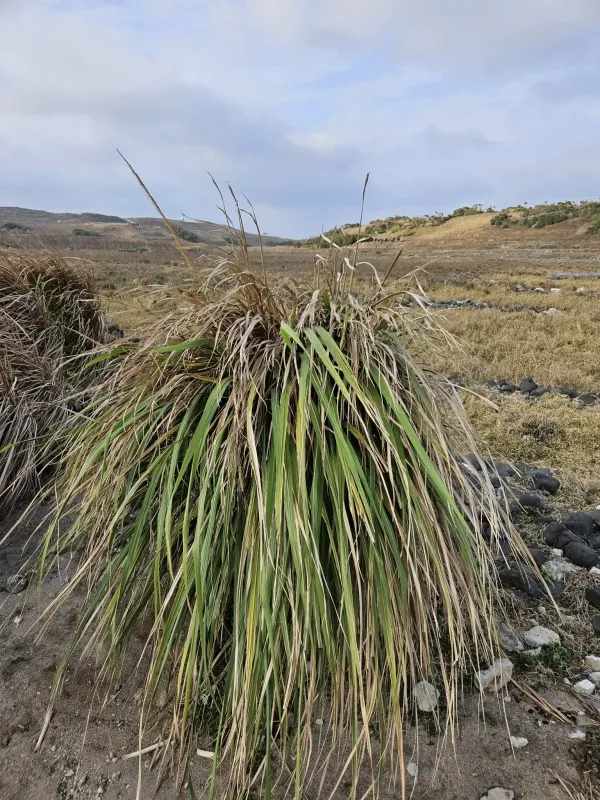
Saccharum arundinaceum is a perennial grass species belonging to the Poaceae family. It is typically propagated vegetatively, as seed germination can be erratic and slow in field conditions.
The planting process usually involves division of existing clumps or using stem cuttings, which are planted during the onset of the warm, rainy season for rapid establishment.
Optimal spacing is essential, as the plant develops into large, dense tussocks that require sufficient root and sunlight access to maximize its growth potential.
Soil preparation before sowing should include loosening the earth to a depth of at least 20 centimeters, ensuring that the rhizomes are placed securely in the substrate.
Once established, the plant shows strong vigor and can quickly colonize the allocated area, making it an efficient species for biomass production in suitable climates.
Growing requirements
This species is highly adapted to tropical and subtropical environments, thriving in areas with high solar radiation and consistent warmth throughout the year.
It prefers well-drained but moisture-retentive soils, such as silt loams or alluvial deposits, which allow for extensive root development and nutrient uptake.
While the plant is relatively hardy and tolerant of various soil types, it performs best in soils with a pH ranging from slightly acidic to neutral.
Water availability is a key factor; although it exhibits some drought tolerance once fully mature, supplemental irrigation significantly boosts biomass yields.
The plant should be situated in open, sunny locations, as shade significantly inhibits stem development and reduces the overall vigor of the perennial grass.
Yield
The yield of Saccharum arundinaceum is primarily measured in dry biomass, which is highly valued for fiber production, paper pulp, and sustainable energy applications.
Annual biomass yields can be substantial under favorable conditions with adequate nitrogen fertilization and effective weed management during the establishment phase.
A productive stand can be maintained for several years, often lasting up to a decade before the soil nutrients are depleted or the clumps become overly dense.
Strategic harvesting cycles are necessary to ensure that the regrowth of the rhizomes is not exhausted, thus maintaining the longevity of the plantation.
Integrated management practices, including mechanical harvesting and nutrient cycling, contribute to the economic viability of growing this species on a commercial scale.
Main diseases and pests
Diseases such as rust and various fungal leaf blights are common threats, especially in humid regions where air circulation within the canopy is limited.
Insect pests, including stem borers, can cause significant damage by tunneling through the nodes, which leads to structural weakness and increased susceptibility to secondary infections.
Weed control is critical during the first year of growth, as the young shoots are slow to develop and can be easily outcompeted by aggressive invasive grasses.
Crop rotation and field sanitation are essential strategies to prevent the buildup of soil-borne pathogens that might otherwise shorten the life of the stand.
- Leaf spot and rust fungal pathogens
- Stem borer larvae infestation
- Compaction of soil inhibiting root aeration
Harvesting
Harvesting is typically performed using mechanical forage harvesters that cut the sturdy stems at the base, ensuring minimal damage to the underground rhizome structure.
The timing of the harvest is crucial, ideally occurring at the end of the active growth phase when the plant contains the highest concentration of structural fiber.
Post-harvest processing involves chopping the harvested material to a uniform size, which facilitates easier transport and subsequent industrial extraction or pulping.
The stubble remaining after the harvest should be protected from excessive trampling or burning to allow the plant to resprout effectively during the next season.
Effective storage of the biomass is necessary to prevent microbial degradation, especially if the material has a high initial moisture content at the time of harvesting.