
Robust sugarcane
Saccharum robustum E. W. Brandes & Jeswiet ex Grassl
Description
Growing requirements
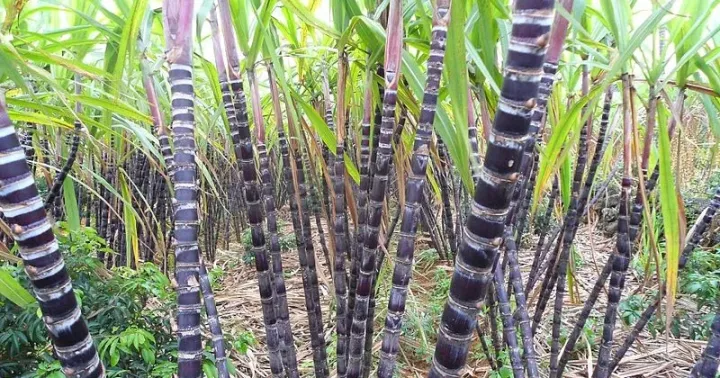
Robust sugarcane (Saccharum robustum) is a tall perennial grass belonging to the Poaceae family, widely recognized as a wild progenitor of cultivated sugar cane species. This plant is known for its impressive size, with stalks that can grow up to 10 meters in height under optimal conditions.
The native habitat of Saccharum robustum is primarily found in New Guinea and parts of Southeast Asia, where it thrives in riparian zones, riverbanks, and marshy areas. It is biologically adapted to heavy rainfall and constant high humidity, which are essential for its rapid vegetative growth.
The plant requires deep, fertile, and moist soils to support its heavy biomass accumulation. It is highly sensitive to drought and cold stress, necessitating a strictly tropical climate with consistent temperatures and sufficient sunlight throughout the year to complete its growth cycle.
Agricultural management of this species often focuses on its genetic preservation for breeding purposes rather than mass-scale industrial sugar production. Its deep and sturdy root system plays a significant role in riverbank stabilization, making it an eco-friendly crop for land protection.
In terms of development, Saccharum robustum serves as a cornerstone for agricultural research, providing essential genes for disease resistance and stress tolerance that are bred into commercial cultivars to ensure global food security.
Main diseases and pests
The cultivation of this species faces challenges from typical sugarcane pests, including stem borers that penetrate the stalks and interfere with nutrient transport, leading to reduced structural integrity and growth potential.
Fungal diseases like sugarcane smut and rust pose a significant threat to the health of the plants, particularly in overcrowded environments where humidity remains trapped, creating perfect conditions for fungal spores to spread.
Bacterial pathogens causing top rot or bacterial wilt can devastate wild or cultivated stands if not managed through proper sanitation and the use of resistant planting material during breeding efforts.
Integrated Pest Management (IPM) is crucial, involving the careful monitoring of leaf surfaces and stalk integrity, as well as maintaining proper spacing between plants to enhance air circulation and reduce disease incidence.
Regular field scouting and prompt removal of infected plant debris are standard practices to prevent the transmission of pathogens, ensuring the health and viability of the genetic stock maintained in germplasm banks.