
Sweet William
Dianthus barbatus L.
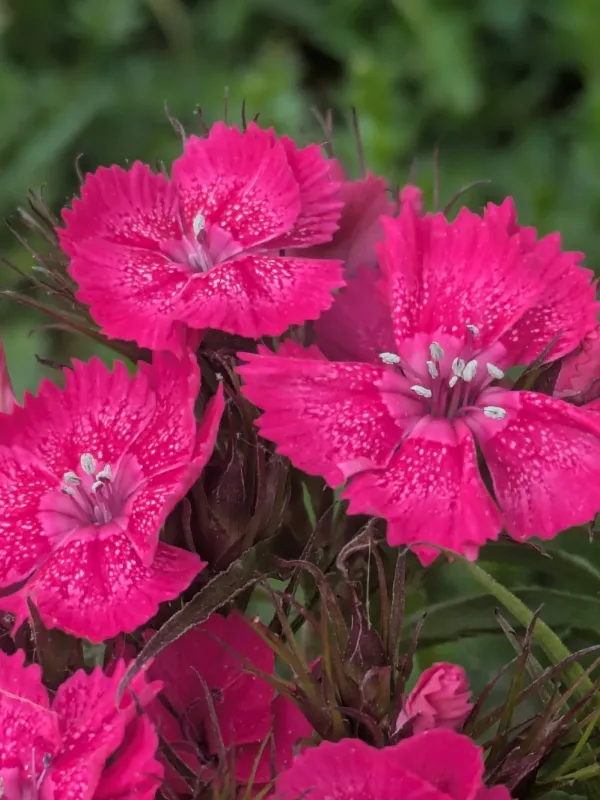
Description
Sowing dates
Sweet William (Dianthus barbatus L.) is a popular ornamental crop belonging to the Caryophyllaceae family. It is widely cultivated as a biennial, spending its first year developing a leafy rosette and producing flowers in the second year.
Sowing in open ground is typically performed in late spring or early summer, once the threat of heavy frost has passed. Seeds should be sown in prepared nursery beds to ensure proper germination and seedling development.
Indoor propagation is also possible, starting in early spring. Seeds are sown in shallow trays with a fine potting mix, kept at temperatures between 16 and 20 degrees Celsius until seedlings emerge.
Transplanting to the final garden position should occur in late summer or autumn. This timing allows the root system to become established before the onset of winter dormancy.
Spacing is essential for the healthy growth of this species. Plants should be placed 25-30 centimeters apart to promote good airflow and minimize the risk of moisture-related plant health issues.
Growing requirements
Sweet William thrives in full sun but tolerates partial shade. In warmer climates, afternoon shade can help extend the blooming period by reducing thermal stress on the plants.
Well-draining, fertile soil is a strict requirement for this crop. It performs best in soil with a neutral to slightly alkaline pH, making it necessary to monitor soil acidity levels in certain regions.
Regular watering is necessary, especially during dry spells. However, it is vital to avoid overhead irrigation, which can encourage fungal development on the leaves and flowers.
Maintenance tasks include weeding and light soil cultivation to keep the area around the plants aerated. Applying organic mulch can help retain soil moisture and suppress weed growth between rows.
Fertilization with a balanced, slow-release fertilizer during the active growing season will promote vigorous development. Avoid excessive nitrogen applications, which can result in soft growth and increased susceptibility to pests.
Main diseases and pests
The most common disease problems include rust and leaf spots, which are often triggered by high humidity levels. Selecting disease-resistant cultivars and ensuring proper spacing are the best preventive measures.
Root rot caused by poorly drained soil is a significant risk. If soil moisture levels are too high, the root systems will quickly deteriorate, leading to plant collapse during the spring growth phase.
Pests such as aphids and spider mites can infest the foliage, particularly in hot, dry conditions. Regular monitoring allows for early detection and targeted intervention using horticultural soaps or neem oil.
Slugs and snails may damage younger plants, especially in damp conditions. Using physical barriers or baiting can help protect vulnerable seedlings from significant damage in the early stages of life.
- Rust fungus
- Root rot
- Aphids
- Spider mites