
Dianthus callizonus
Dianthus callizonus Schott & Kotschy
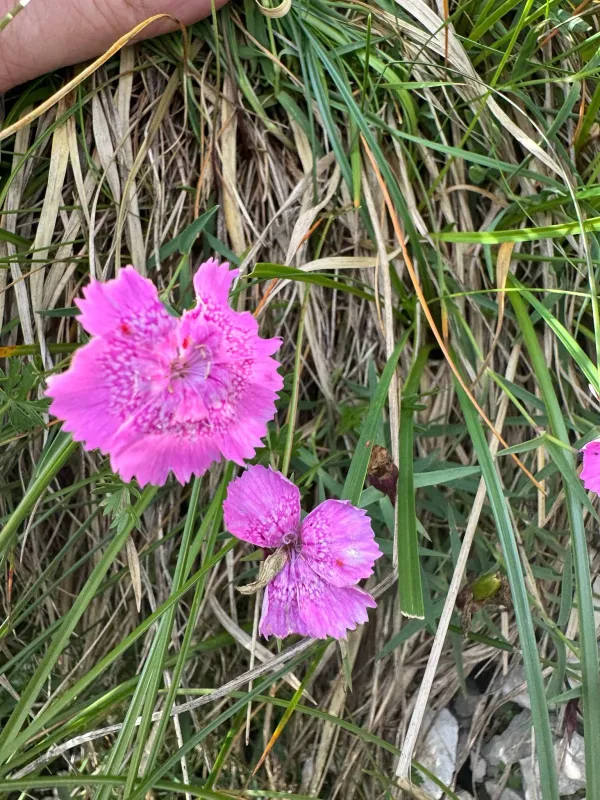
Description
Sowing dates
Sowing Dianthus callizonus seeds is best performed in late winter or early spring using a controlled environment. The seeds often require a period of stratification in cold temperatures to break dormancy and ensure uniform germination.
Use a sterile, well-draining seed-starting mix composed primarily of peat and coarse sand. Sow the seeds on the surface, as they are light-dependent for germination and should only be covered with a very thin layer of grit.
Maintain consistent moisture and a temperature range of 18–20°C until sprouts appear. Once seedlings develop their first true leaves, they should be transplanted into individual pots to avoid competition and promote root development.
Hardening off the young plants is essential before moving them outdoors. Ensure they are gradually acclimated to exterior conditions to prevent shock and stunted growth during the critical early stages of establishment.
Select a permanent site with full sun and excellent drainage. Spacing should be sufficient to allow for air circulation, which is crucial for the health of this alpine species throughout the growing season.
Growing requirements
Dianthus callizonus, a member of the Caryophyllaceae family, is a rare species native to the Carpathian Mountains. It thrives in conditions that mimic its natural habitat: stony, alkaline soils with low nutrient levels.
Soil quality is paramount; the plant demands a gritty, limestone-rich substrate that allows water to pass through rapidly. Any water stagnation around the root crown will lead to rapid decline and plant death.
Sunlight requirements are demanding, as this plant requires full exposure to flourish. While it handles alpine cold exceptionally well, it is sensitive to intense humidity combined with high heat, which can stress the plant.
Regular maintenance involves weeding around the plants and light pruning to keep the cushions compact. Avoid high-nitrogen fertilizers, as they encourage weak, leggy growth that is more susceptible to environmental stressors.
Minimal watering is necessary once the plants are established. Only provide additional moisture during prolonged droughts, ensuring that the water is applied at the base of the plant to keep the foliage dry.
Main diseases and pests
The primary threat to Dianthus callizonus is root rot caused by poor soil drainage and high humidity. Ensuring a free-draining medium is the most effective way to prevent these destructive fungal infections.
Foliar diseases, such as rust, can appear if air circulation is insufficient or if the foliage remains wet for extended periods. Pruning away affected tissues and improving ventilation are standard remediation steps.
Pests such as aphids and spider mites can occasionally affect the plants, particularly during hot and dry spells. Integrated pest management, including the use of neem oil or insecticidal soaps, can help control these infestations.
Slugs and snails can severely damage the low-growing cushions during the spring months. Use physical barriers or organic molluscicides to protect the younger, tender parts of the plants from these hungry pests.
Regular monitoring of the plants for any signs of yellowing or spotting is recommended. Early detection of issues allows for targeted treatment, preserving the long-term health and vitality of your Dianthus collection.