
China pink
Dianthus chinensis L.
Description
Sowing dates
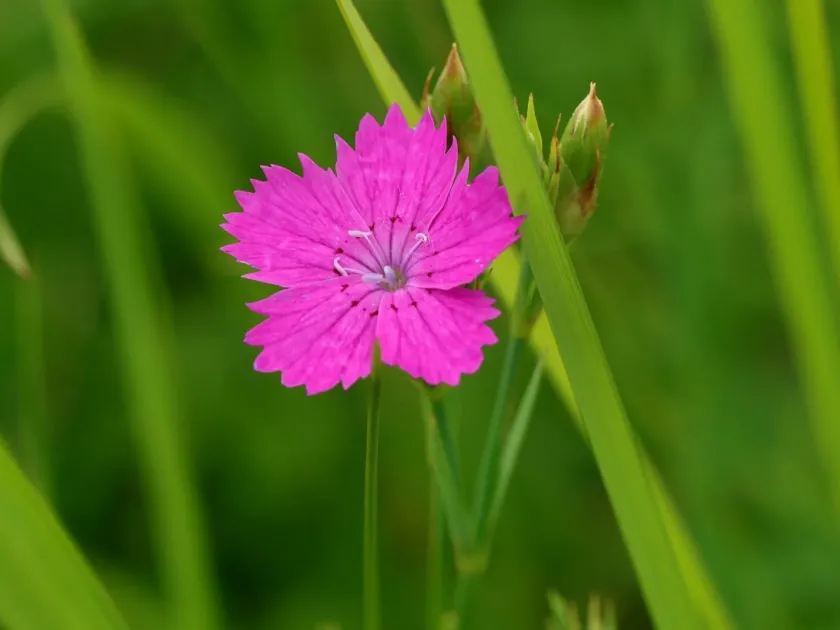
China pink (Dianthus chinensis L.) is a popular member of the Caryophyllaceae family, valued for its vibrant blooms and extended flowering period. The seeds are typically sown indoors in late winter, roughly 8 to 10 weeks before the anticipated last spring frost date.
Seedlings require a well-drained, sterile potting mix and a consistent temperature of 18–20°C to germinate successfully. Light is essential for germination, so seeds should only be lightly covered with fine vermiculite or soil upon sowing.
Once seedlings develop their first set of true leaves, they should be pricked out into individual cells or small pots. This stage of development is crucial for establishing a robust root system before transplanting the plants into their permanent garden location.
Direct sowing in outdoor beds is also a viable option in milder climates, provided the soil has warmed up sufficiently. The spacing should be managed to ensure adequate air circulation, which is vital to prevent fungal diseases as the plants grow and mature.
Succession planting is recommended for gardeners and commercial growers who wish to maintain a continuous display of flowers. By staggering the sowing dates, it is possible to harvest or enjoy blooms from early summer until the onset of autumn frosts.
Growing requirements
Dianthus chinensis thrives in full sun, requiring at least six hours of direct sunlight per day to maintain compact growth and intense flower color. Insufficient light exposure often leads to leggy, weak plants that are prone to falling over.
The ideal soil for China pink should be alkaline or neutral, well-draining, and moderately fertile. The species is highly sensitive to waterlogged conditions, which can lead to crown rot and poor overall plant health during the growing season.
Watering should be conducted cautiously; the soil should be kept evenly moist but never saturated. Using a drip irrigation system or watering at the base of the plant helps maintain foliage dryness, significantly reducing the risk of pathogenic infections.
Fertilization with a balanced, slow-release fertilizer is beneficial during the active growth phase. However, excessive nitrogen should be avoided as it encourages soft, lush foliage that is more susceptible to aphids and fungal pathogens.
Deadheading faded flowers is an essential maintenance task. By removing spent blossoms, gardeners stimulate the plant to direct its energy into producing new buds, thereby prolonging the flowering season and keeping the planting tidy.
Main diseases and pests
Fungal issues such as fusarium wilt and various leaf spots are the most common threats to Dianthus chinensis. Ensuring proper spacing and airflow is the most effective cultural method to mitigate the spread of these soil-borne and airborne diseases.
Insect pests including aphids, spider mites, and thrips frequently target the tender shoots and buds of the plant. If left untreated, these infestations can severely stunt the plant's growth and cause aesthetic damage to the flowers.
Regular monitoring of the underside of leaves is necessary for early detection of mites. Integrated pest management strategies, including the use of horticultural oils or targeted insecticides, should be employed to maintain the health of the crop.
Root-knot nematodes can also be a problem in warmer climates, necessitating the use of crop rotation or soil solarization if the soil is suspected to be infested. Maintaining plant vigor through proper nutrition can help the plant tolerate minor infestations.
- Fusarium wilt
- Leaf spot
- Aphids
- Spider mites
- Root rot