
Cheddar pink
Dianthus gratianopolitanus Vill.
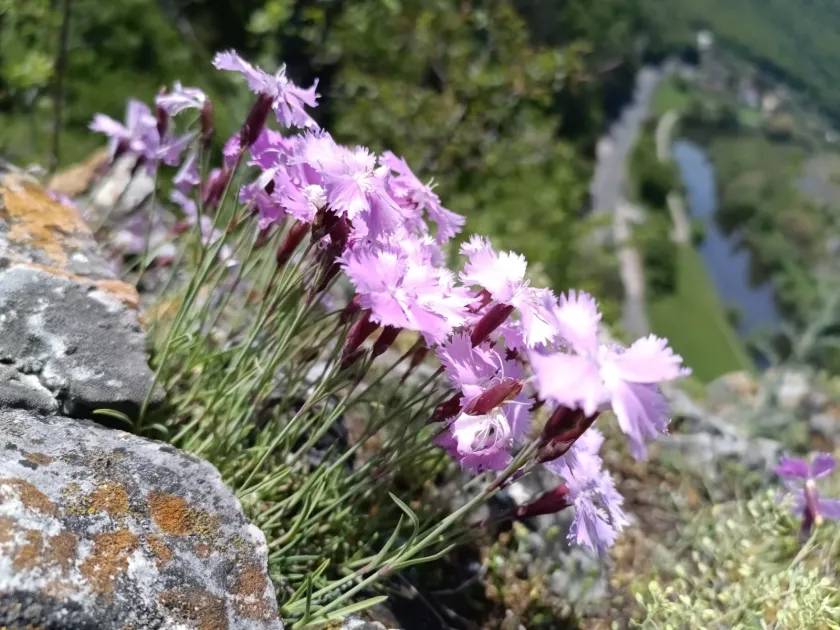
Description
Sowing dates
Sowing seeds of Cheddar pink is typically performed in late winter or early spring using seed trays filled with a well-draining, sterile seed-starting mix.
The seeds should be sown shallowly, as they require a small amount of light to germinate effectively, and kept at a temperature of around 20 degrees Celsius.
Once seedlings have reached a sufficient size with several true leaves, they should be transplanted into individual pots to encourage strong root development.
Hardening off the seedlings is a critical stage before final transplanting, which should be done gradually over a week to prevent transplant shock.
Direct outdoor sowing is also possible in autumn, allowing the seeds to undergo natural stratification, which often results in more robust plants the following year.
Growing requirements
Dianthus gratianopolitanus is a hardy perennial belonging to the Caryophyllaceae family, native to limestone cliffs and rocky slopes of Western Europe.
This species is well-known for its distinctive blue-grey, mat-forming foliage that remains attractive throughout the growing season and often through winter.
The plant thrives in full sun exposure, which is essential to prevent the foliage from becoming leggy and to ensure the production of fragrant, pink flowers.
It demands well-drained, neutral to alkaline soil conditions; it is highly intolerant of waterlogged ground, which quickly leads to crown rot and decline.
Low maintenance and drought tolerance make it an excellent choice for rock gardens, stone walls, and xeriscaping projects in varied climatic regions.
Main diseases and pests
Fungal diseases are the primary threat to Cheddar pink, particularly in humid or poorly ventilated conditions where foliage stays wet for prolonged periods.
Rust, a common fungal infection, manifests as dark or orange spots on the leaves and requires immediate removal of infected plant parts to prevent spreading.
Root and crown rot are frequent issues caused by overly damp soil, which is often exacerbated by mulching too closely to the base of the plant.
Aphids and spider mites may occasionally colonize the plants during dry spells, causing stunted growth and damage to the tender floral buds and tissues.
To keep plants healthy, it is vital to provide adequate spacing between specimens and to ensure that the immediate growing environment is kept free of debris.