
Stipagrostis zeyheri
Stipagrostis zeyheri
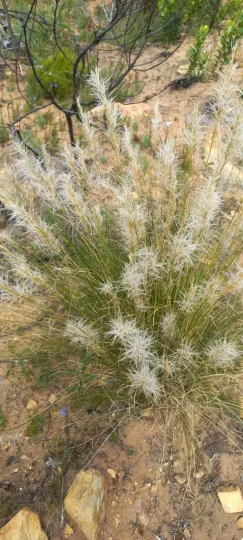
Description
Growing requirements
Stipagrostis zeyheri is a perennial grass species belonging to the Poaceae family. Native to the arid regions of Southern Africa, this plant has evolved unique physiological mechanisms to survive in environments with extreme water scarcity and high solar radiation.
The plant is categorized as a xerophyte, characterized by its ability to thrive in sandy soils where moisture retention is extremely low. It forms dense tufts that help stabilize sandy surfaces, acting as a natural barrier against wind-driven soil erosion.
Environmental requirements for this species include well-drained sandy substrates and high light intensity. It is extremely sensitive to waterlogging, as its root system is specialized for oxygenated, dry soils and is susceptible to rot in saturated conditions.
Stipagrostis zeyheri plays a vital role in local agricultural ecosystems as a forage resource for livestock. In regions where common crops fail, this grass provides a essential, albeit limited, source of nutrition for grazing animals during the dry season.
Cultivation attempts usually focus on soil reclamation or the improvement of degraded rangelands. Because it is highly adapted to nutrient-poor soils, it requires very little external fertilization, making it a low-input crop for desert farming.
Harvesting
Harvesting Stipagrostis zeyheri is primarily managed through grazing rather than mechanical cutting. The low biomass production makes traditional haymaking inefficient, thus the focus remains on sustainable pasture management and rotational grazing.
Seed harvesting is conducted when the inflorescences are fully mature. The seeds, often equipped with awns for wind dispersal, require specialized collection methods to ensure viability and purity for future sowing projects.
Sustainability is the cornerstone of harvesting strategies for this grass. Overgrazing can lead to the removal of the vegetative cover, which results in the rapid loss of soil stability and the spread of desertification in sensitive rangeland areas.
Monitoring the growth cycle ensures that the plants are not harvested or grazed too early in the season. Allowing the plants to reach the seed-setting stage is critical for natural reseeding and the long-term health of the pasture.
Post-harvest handling of seeds involves mechanical cleaning and drying. Given the physiological nature of the seeds, they should be stored in cool, low-humidity environments to prevent fungal contamination and maintain high germination rates over time.