
Stipagrostis hirtigluma
Stipagrostis hirtigluma
Description
Growing requirements
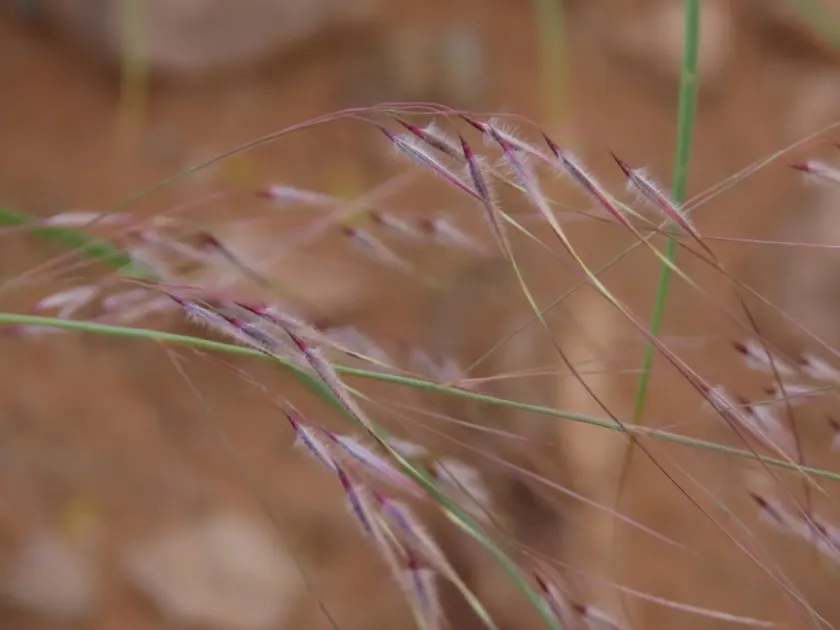
Stipagrostis hirtigluma is a perennial herbaceous plant belonging to the Poaceae family. It is a highly specialized xerophytic grass adapted to life in the harsh, arid environments of deserts and semi-deserts.
The native range of this species extends across North and East Africa and the Arabian Peninsula. It is recognized as a pioneer species that plays a critical role in sand dune stabilization and desert soil reclamation.
Botanically, the plant features narrow, convolute leaves designed to reduce transpiration, and a highly efficient root system that reaches deep aquifers, allowing the plant to remain green even during prolonged dry seasons.
The crop thrives in nutrient-poor, sandy, or gravelly substrates and requires excellent drainage. It is exceptionally sensitive to waterlogging, which can cause root rot and rapid plant mortality.
Its primary agricultural utility is as a vital source of fodder for nomadic livestock, particularly camels and goats, making it an essential component of desert pastoralism and land restoration efforts.
Main diseases and pests
The most significant threat to Stipagrostis hirtigluma populations is overgrazing, which depletes the plant's carbohydrate reserves and destabilizes the surrounding sandy soil.
The plant generally possesses high resistance to diseases; however, during unusually humid cycles, it may become susceptible to localized fungal pathogens or leaf rust.
Pests, such as locusts or specific desert beetles, can inflict damage on biomass, though they rarely reach levels that threaten the total survival of the species.
Because the plant relies on deep root systems for nutrient uptake, soil compaction from livestock traffic poses a latent risk to long-term health and growth vigor.
Integrated pasture management, including periods of seasonal rest, is the most effective approach to mitigating threats and maintaining sustainable biomass production.