
Stipagrostis amabilis
Stipagrostis amabilis
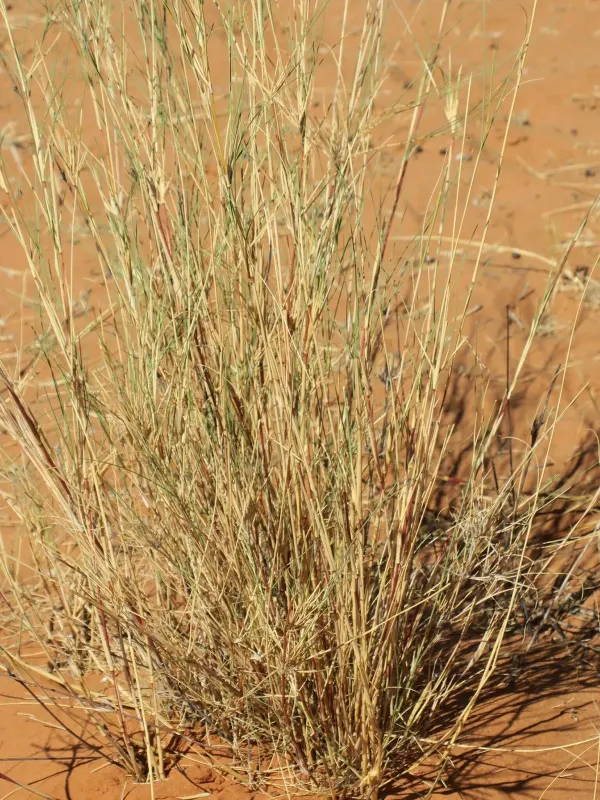
Description
Growing requirements
Stipagrostis amabilis is a perennial grass species belonging to the Poaceae family. It is a highly specialized plant adapted to thrive in the harsh environments of sandy deserts, particularly within the Namib Desert region of Africa.
The origin and primary habitat of this species are centered around arid, sandy ecosystems where wind erosion is a constant threat. The plant is botanically recognized for its unique ability to thrive in shifting sands, which serves as a natural stabilizer for the local landscape.
Regarding botanical characteristics, the plant features a deep-reaching root system capable of capturing moisture deep beneath the surface. Its leaves are typically tough and narrow, minimizing surface area to reduce water loss through transpiration in intense heat.
The environmental requirements for Stipagrostis amabilis include loose, well-drained sandy soils and high solar exposure. It cannot tolerate waterlogged conditions, but it excels in areas where temperatures fluctuate dramatically between day and night.
Economic usage revolves around phytoremediation and the stabilization of desert terrain. In addition to ecological benefits, it serves as a source of forage for livestock, particularly camels, in regions where agricultural alternatives are non-existent.
Main diseases and pests
The primary threat to the sustainability of Stipagrostis amabilis populations is overgrazing by livestock, which can lead to the destruction of root systems and soil stabilization. The plant possesses a robust resistance to most common diseases due to its dry habitat.
Pests such as locusts are known to occasionally affect the grass during population outbreaks, consuming large amounts of green biomass. However, given its structural toughness, the plant usually recovers well after such events once environmental conditions stabilize.