
Stipagrostis obtusa
Stipagrostis obtusa
Description
Growing requirements
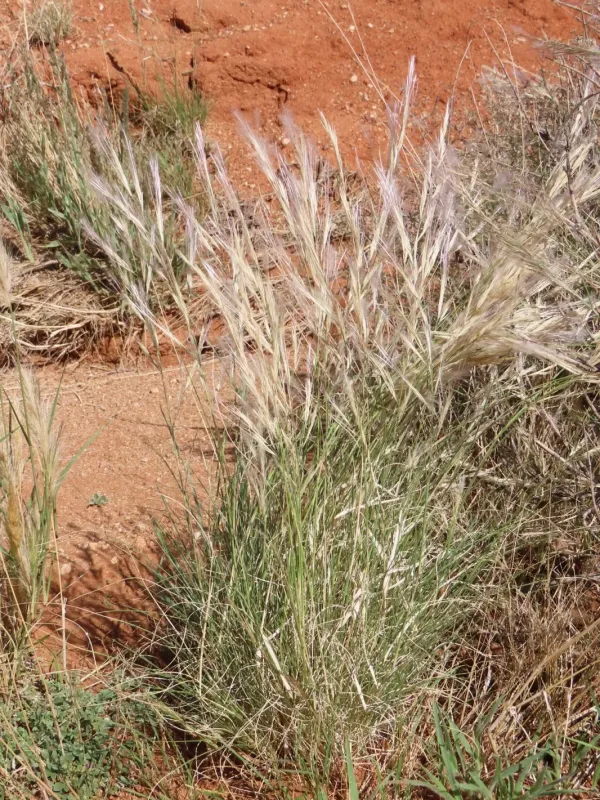
Stipagrostis obtusa is a perennial grass species belonging to the Poaceae family. It is a highly specialized plant designed to thrive in the harsh, arid environments of Southern Africa, particularly in regions such as the Namib Desert and surrounding arid zones.
The native range of this plant encompasses areas with minimal precipitation where it serves as a keystone species for sand dune stabilization. Its ability to colonize loose, sandy soils prevents desertification and protects the underlying soil structure from severe wind erosion.
From an agricultural standpoint, Stipagrostis obtusa requires very little moisture to establish and maintain its growth. It thrives in nutrient-poor, sandy soils where more sensitive crop species would inevitably fail, making it a critical resource for subsistence farming in extreme climates.
Botanically, the plant features a dense tufted growth habit with narrow, stiff leaves that are optimized to reduce water loss. The root architecture is exceptionally deep, allowing the plant to tap into moisture reserves hidden well below the parched surface layer of the soil.
Its primary economic use is as a staple forage for livestock, particularly sheep and goats. In regions where seasonal grasses vanish during drought, Stipagrostis obtusa remains a reliable source of nutrition, effectively supporting regional pastoral economies during periods of scarcity.
Main diseases and pests
The most significant threat to the survival and productivity of Stipagrostis obtusa is overgrazing. Continuous pressure from excessive livestock numbers leaves the plants unable to recover, leading to the thinning of vegetation cover and irreversible soil degradation.
Regarding plant health, the species is remarkably resistant to traditional agricultural pests and diseases due to its harsh, arid habitat. However, unseasonal periods of high humidity can create micro-environments susceptible to fungal pathogens on the foliage.
Locust outbreaks represent another potential threat, as these insects can quickly consume large swaths of the plant's green biomass. While the plant can usually recover, repeated defoliation during its peak growing season can severely limit its reproductive capacity.
Climate instability, including multi-year droughts that exceed the plant's already robust survival threshold, can deplete the dormant seed bank. This makes the species vulnerable to loss, especially in areas already stressed by human activity and land development.
Effective management strategies should focus on rotational grazing to provide the plants with sufficient rest periods. By regulating livestock densities, land managers can ensure the long-term sustainability of these vital arid-land grazing resources.