
Warnstorf's bog moss
Sphagnum warnstorfii
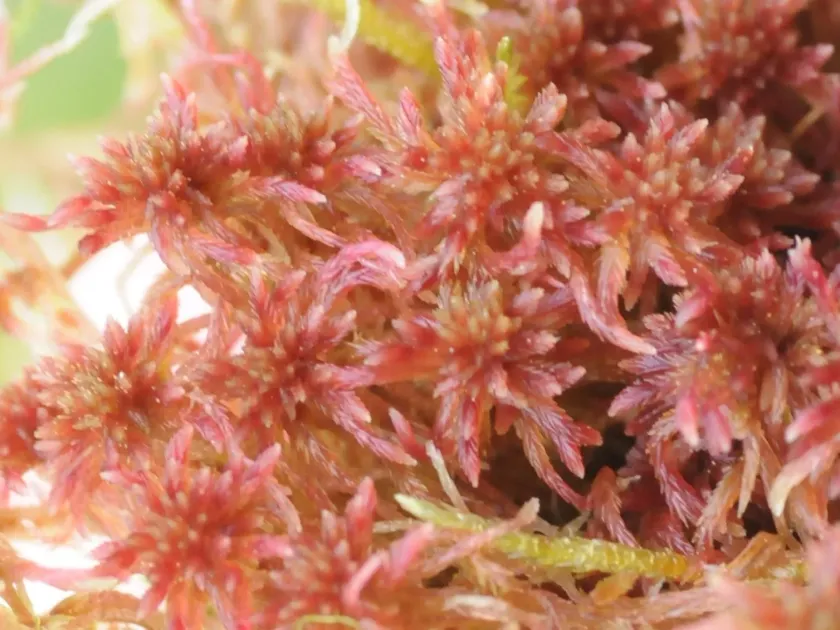
Description
Growing requirements
Warnstorf's bog moss (Sphagnum warnstorfii) belongs to the Sphagnaceae family. It is a perennial bryophyte widely distributed in the wetlands of the Northern Hemisphere, serving as a primary component in peatland ecosystems.
The plant requires high moisture levels to thrive. Its natural habitat includes fens and peat bogs where the water table is consistently high and the water supply is steady throughout the year.
Soil requirements for this moss involve specific acidity and mineral levels. Unlike some other Sphagnum species, it shows a preference for moderately mineral-rich water, which is characteristic of various types of fens.
Light intensity management is crucial for the cultivation of this moss. Direct sunlight often leads to desiccation; therefore, growers should provide partial shading to maintain the necessary microclimate for optimal biomass development.
The climate should be temperate and humid. Successful cultivation relies on stable temperatures, as extreme heat promotes rapid decomposition of the moss and negatively impacts its structural integrity.
Harvesting
The main agricultural use for this species is as a premium growth substrate. It is highly valued in horticulture for its extreme water-holding capacity, making it perfect for orchids and insectivorous plants.
Sustainable harvesting involves carefully gathering the upper layers of the moss. This method ensures that the plant regrows efficiently, maintaining the delicate ecological balance of the site.
Post-harvest processing requires cleaning the material to remove debris. Careful drying is essential to maintain the physiological structure and natural antibiotic properties of the cell walls.
The product is typically stored in a compressed, well-ventilated format. When managed properly, the moss retains its physical properties for a long duration, making it a reliable component in soil mixes.
Farmers often use this moss to prevent soil-borne diseases. The natural acidic environment and antiseptic compounds present in Sphagnum warnstorfii effectively suppress the growth of many harmful bacteria and fungi.