
Sphagnum contortum
Sphagnum contortum
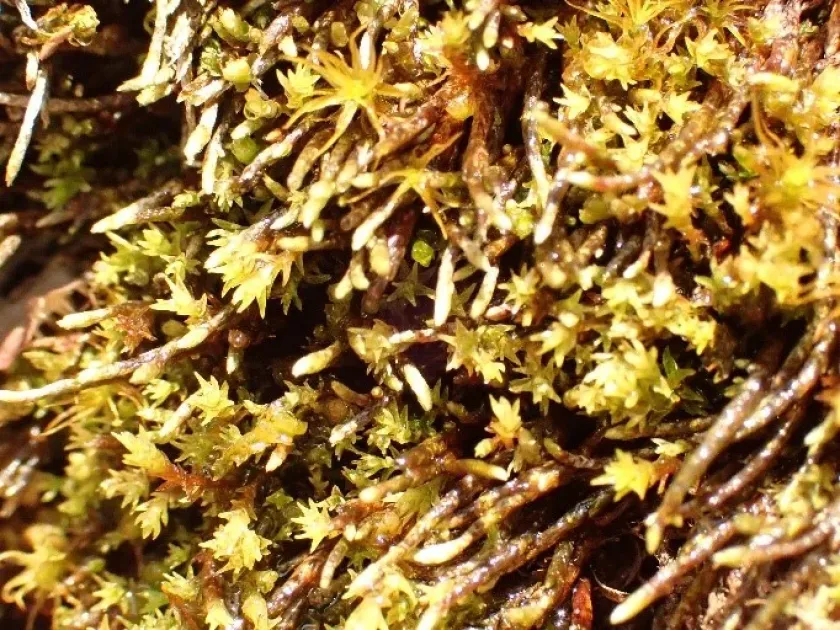
Description
Growing requirements
Sphagnum contortum is a member of the Sphagnaceae family, recognized as a significant component of wetland ecosystems. It thrives in mesotrophic fens and saturated forest habitats, where water levels remain consistently high throughout the growing season.
Botanically, this species is identified by its twisted branches and delicate, slender stems. It forms loose, often yellowish or brownish cushions that provide excellent water retention properties, contributing significantly to the carbon sequestration process in natural bogs.
The environmental requirements for this crop are precise: it demands high humidity and a stable, high water table. The water must be of low mineral content, as high calcium levels can lead to the deterioration of the colony and competition from less desirable calcicolous moss species.
In terms of management, site selection is critical. The area must be protected from direct drying winds and intense sun exposure, which can evaporate moisture from the plant surface faster than it can be replenished via capillary action from the substrate.
Economically, Sphagnum contortum is valued for its use in the nursery industry. It serves as an organic, anti-fungal soil amendment that improves the moisture-holding capacity of potting mixes, making it highly sought after for horticultural applications and orchid cultivation.
Main diseases and pests
Primary threats to cultivation include the lowering of the water table due to surrounding drainage operations. Such changes invariably lead to the colonization of the site by invasive vascular plants, effectively smothering the moss colony within a few seasons.
Nutrient loading, specifically nitrogen runoff from adjacent agricultural lands, poses a significant risk as it stimulates the growth of competing vegetation. Pests are rarely an issue, though excessive humidity combined with stagnant air can occasionally promote unwanted fungal growth.