
Sphagnum compactum
Sphagnum compactum
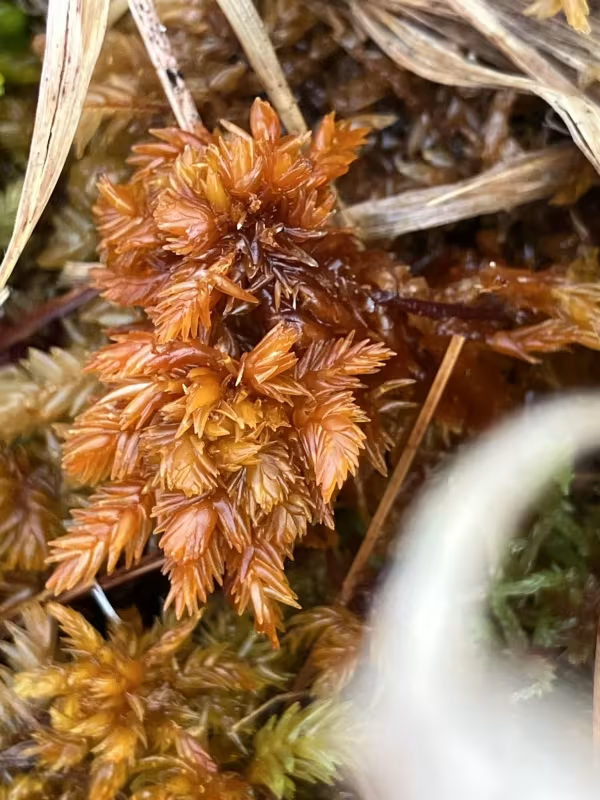
Description
Growing requirements
Sphagnum compactum, commonly known as compact peat moss, is a resilient moss species from the Sphagnaceae family. It is distinguished by its dense, cushion-like growth habit, which allows it to trap and hold significant amounts of water within its structure.
This species naturally thrives in acidic, nutrient-poor environments, typically appearing in wet heaths, boggy margins, and mountainous areas. It requires high atmospheric humidity and a water table that remains close to the surface year-round.
The cultivation of this crop necessitates a specific substrate composition with a low pH level, ideally between 3.5 and 4.5. The use of lime or calcium-rich fertilizers is strictly prohibited, as it leads to the rapid decline and death of the moss colonies.
Light exposure is a critical factor for successful growth. While Sphagnum compactum is tolerant of light shade, it requires sufficient ambient light to maintain its compact form and vibrant color; excessive shade will lead to etiolation and decreased biomass.
Agronomic management involves maintaining constant substrate moisture using purified, rainwater, or deionized water. Mineral salts from tap water can accumulate in the moss, causing toxicity and growth stagnation, which highlights the need for high-quality irrigation sources.
Main diseases and pests
Fungal pathogens represent the primary biological threat, often triggered by poor ventilation and water stagnation. This results in discolored, decaying patches that can quickly spread if not addressed by improving airflow.
Pest infestations by nematodes or small insects can occur if the moisture balance is disrupted or if external impurities are introduced. Control measures must be non-chemical to protect the delicate physiological balance of the moss.
Invasive vascular plants, particularly grasses and sedges, often outcompete Sphagnum compactum in cultivation sites. Regular weeding is mandatory, though it must be performed with extreme care to avoid mechanical damage to the moss.
Environmental stressors, such as atmospheric pollution and the deposition of heavy metals, significantly inhibit growth. Maintaining a clean environmental footprint is essential for producing high-quality, chemical-free moss.
Thermal stress from high temperatures is another significant risk. If temperatures exceed the species' comfort zone, photosynthesis rates drop, and the plant becomes susceptible to desiccation. Providing natural or artificial cover during peak summer heat is recommended.
Harvesting
The harvest of Sphagnum compactum is typically a manual process. Harvesters carefully clip the upper, healthy portion of the moss, leaving a sufficient base to ensure the colony can regenerate and continue to provide a sustainable yield in future cycles.
Post-harvest processing involves cleaning the biomass of any foreign debris. Drying is performed in a shaded, well-ventilated area to prevent thermal degradation of the natural antibacterial compounds inherent in the moss tissue.
In the horticultural industry, this moss is prized as a substrate component. Its exceptional water-retention capacity and ability to acidify the growing medium make it highly suitable for growing carnivorous plants, orchids, and nursery seedlings.
Beyond gardening, the absorbent qualities of Sphagnum compactum are utilized in environmental remediation and veterinary science. It serves as an effective, natural bio-filter for sequestering contaminants and providing hygienic bedding for animals.
The decorative sector utilizes this moss for floral arrangements and vertical gardening. Its longevity and structural integrity make it an ideal choice for creating long-lasting, visually appealing botanical installations that require minimal ongoing maintenance.