
Sphagnum auriculatum
Sphagnum auriculatum
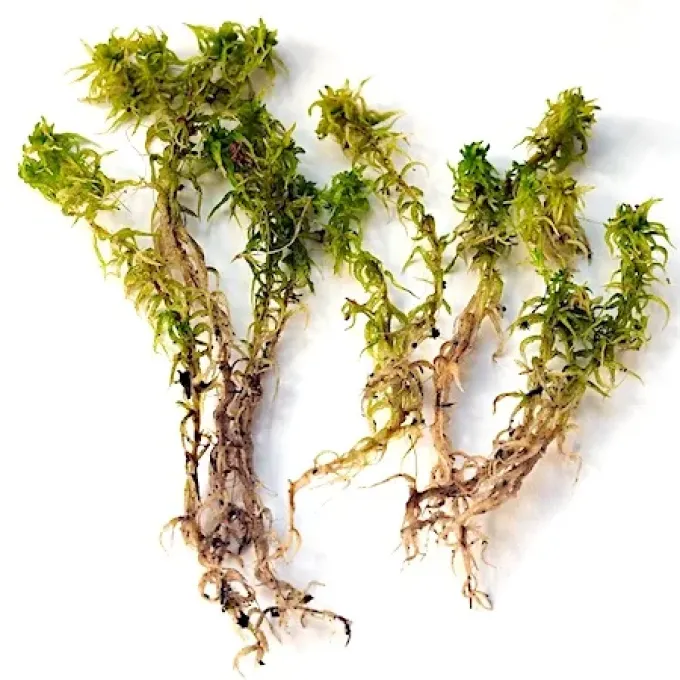
Description
Growing requirements
Sphagnum auriculatum, commonly known as ear-leaved sphagnum, belongs to the Sphagnaceae family. It is a perennial bryophyte that serves as a fundamental building block in wetland ecosystems and peat bog formation.
This species requires highly acidic soil conditions, typically ranging from pH 3.0 to 4.5, and constant access to clean, nutrient-poor water to thrive throughout the growing season.
The natural range of this moss includes temperate and subtropical marshlands, where high atmospheric humidity and water-saturated ground are consistently maintained.
In agricultural practice, it is widely used as a premium component for potting mixes, providing superior water retention, aeration, and natural antifungal properties for ornamental plants.
Optimal growth depends on sheltered locations with indirect sunlight, as direct UV exposure can rapidly cause dehydration and tissue death in these moisture-dependent plants.
Main diseases and pests
The primary threat to sphagnum production is the alteration of hydrology, specifically the drainage of wetlands, which inevitably leads to the decline of moss populations.
Chemical contamination from agricultural runoff, particularly nitrates and phosphates, can cause rapid eutrophication and the death of sensitive sphagnum colonies.
Encroachment by shrubs and other vascular plants creates intense competition for light, requiring active management to ensure the moss maintains its dominant position in the field.
While mosses are generally robust, fungal pathogens can spread quickly in stagnant conditions, potentially damaging the health of the entire crop if air circulation is neglected.
Pest outbreaks are generally rare, but localized populations of specialized invertebrates can occasionally affect the growth tips if the site's environmental balance is disrupted.
Harvesting
Harvesting Sphagnum auriculatum is performed through selective manual gathering, ensuring that the basal section remains intact to allow for rapid regeneration of the moss cover.
The harvest cycle usually concludes toward the end of the vegetation period, which ensures the highest possible quality and biomass density for the collected material.
Post-harvest processing involves manual sorting to remove invasive weeds, debris, and competing plant species, ensuring the purity required for commercial horticultural use.
The material must be dried using controlled natural ventilation in shaded areas, a process that preserves the cellular structure responsible for its incredible water-holding capacity.
Professional handling during the drying stage is essential to prevent the degradation of sphagnol and other compounds that give the moss its characteristic antimicrobial benefits.