
Sphagnum affine
Sphagnum affine
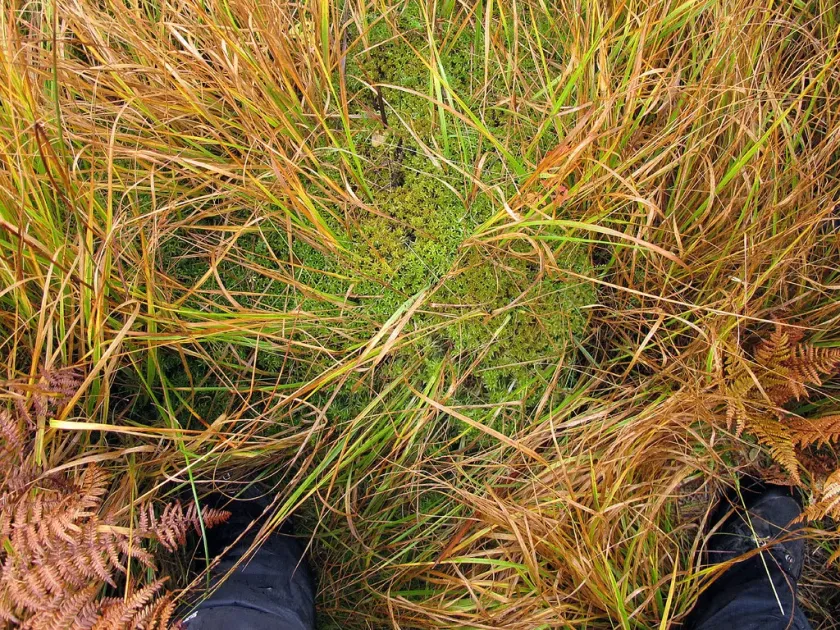
Description
Growing requirements
Sphagnum affine is a prominent species within the Sphagnaceae family. It is a perennial bryophyte characterized by its ability to thrive in extremely moist, nutrient-poor environments, such as fens and peatlands.
The plant strictly requires acidic growing conditions, typically maintaining a pH range between 3.5 and 4.5. Any introduction of alkaline elements, such as lime or hard water, will rapidly inhibit growth and compromise the health of the moss colony.
Water management is the most critical factor in cultivating this species. Sphagnum affine relies on capillary action to transport moisture, thus the water table must remain consistently near the soil surface.
Climatic requirements involve cool to moderate temperatures and high atmospheric humidity. In areas where dry spells are common, artificial misting or shading is essential to prevent the moss from desiccation.
Soil composition should consist exclusively of peat or a sterile, acidic substrate. It is imperative to avoid the use of synthetic fertilizers or high-nitrogen amendments, as they promote the growth of competitive vascular plants that stifle the moss.
Harvesting
Harvesting of Sphagnum affine involves the careful manual removal of the upper, living stems of the moss mats. Sustainable harvesting practices dictate leaving the lower part of the stem intact to facilitate rapid regrowth of the colony.
The optimal time for gathering the moss is during the late summer season, when bog surfaces are stable enough for access and the plant has attained peak biomass density.
After collection, the moss should be gently cleaned of debris and dried in shaded, ventilated areas. Excessive heat and direct sunlight must be avoided during the drying process to preserve the plant's structural integrity and hygroscopic properties.
Agricultural applications of Sphagnum affine are diverse, ranging from its use as a primary potting medium for orchids and carnivorous plants to its function as a natural mulch that regulates soil moisture levels.
In addition to horticultural benefits, the species is valued for its natural antibacterial properties. These properties make it an excellent choice for shipping sensitive plant materials, as it helps suppress fungal growth during transit.