
Baltic bog moss
Sphagnum balticum
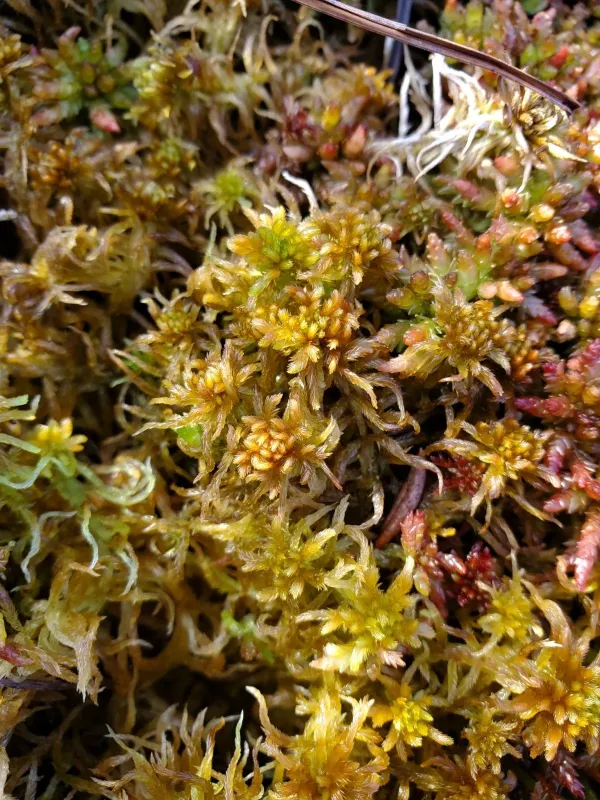
Description
Growing requirements
Baltic bog moss (Sphagnum balticum) is a member of the Sphagnaceae family. This bryophyte is primarily found in northern peatlands and arctic regions, playing a vital role in wetland ecosystem health.
The species is strictly limited to ombrotrophic environments, meaning it relies entirely on precipitation for its water and nutrient supply. It thrives in highly acidic conditions with minimal mineral availability.
To cultivate Sphagnum balticum successfully, one must maintain a high and stable water table. The moss must stay constantly moist, as dehydration leads to immediate cell death and loss of the productive turf layer.
Climatic requirements focus on cool, humid conditions with sufficient light. The species is highly sensitive to pollutants; hence, the air and water quality must be preserved at pristine levels for optimal growth.
Soil management for moss farming involves preparing a peaty, low-nutrient substrate. Adding nitrogen fertilizers is counterproductive, as it encourages competing vascular plants that will quickly overtake the moss.
Harvesting
The primary economic value of Baltic bog moss lies in its exceptional moisture retention and antiseptic properties. It is a highly sought-after component in the nursery industry and specialized greenhouse operations.
Harvesting techniques prioritize sustainability to ensure regeneration. Practitioners remove only the top segments of the moss carpet, allowing the lower parts of the plant to continue growing and recovering over subsequent seasons.
Post-harvest processing involves air-drying the biomass under controlled conditions to prevent mold formation. The goal is to retain the cellular integrity that enables the moss to act as a natural, highly absorbent sponge.
Key applications include serving as a critical ingredient in potting mixes for orchids and carnivorous plants, where it prevents root rot while maintaining humidity. It is also used in packaging and medicinal dressings.
Environmental preservation through moss harvesting has become a focus of modern research. By managing peatlands correctly, producers can maintain carbon sinks while sustainably harvesting the valuable Sphagnum biomass for agricultural use.