
Sphagnum austinii
Sphagnum austinii
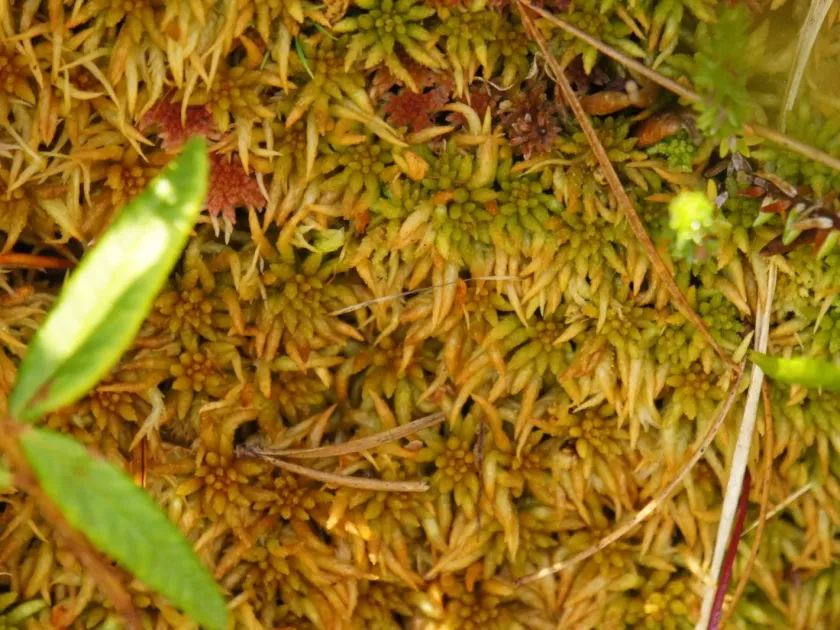
Description
Growing requirements
Sphagnum austinii is a specialized species of peat moss belonging to the Sphagnaceae family. It is primarily found in acidic, nutrient-poor environments, typically within raised bogs where it plays a fundamental ecological role.
To successfully cultivate this crop, maintaining high moisture levels is essential. The species relies on capillary action to transport water, so the substrate must remain consistently damp without becoming excessively stagnant.
Environmental requirements include a temperate climate with high atmospheric humidity. Extreme temperatures and direct sunlight can damage the delicate plant tissue, so greenhouse cultivation often requires the use of shade cloths.
The ideal growing medium consists of acidic peat with minimal mineral content. Nutrient enrichment using standard fertilizers is detrimental, as Sphagnum austinii has evolved to thrive in low-nutrient conditions and cannot tolerate mineral salts.
Proper agronomic management involves sophisticated irrigation systems that ensure continuous hydration of the surface layer. Water quality is paramount, with distilled or rainwater being the preferred sources for optimal growth.
Yield
Yield in Sphagnum austinii production is measured by the annual increase in biomass per square meter. Controlled conditions can significantly accelerate growth compared to natural peatland development.
The product is highly valued for its exceptional water-holding capacity, making it a premium substrate for orchids, carnivorous plants, and general floriculture. It provides an ideal root environment due to its acidity and antiseptic properties.
Beyond horticulture, the moss serves as an eco-friendly material in various industrial applications, including filtration systems and organic packaging solutions, owing to its natural preservative qualities.
The economic value is driven by the purity and structural integrity of the harvested moss. High-quality samples, free from contaminants and debris, command premium prices in the specialized substrate market.
Continuous production models are possible through careful harvest management, which allows for the long-term sustainability of the moss beds and consistent supply for industrial consumers.
Main diseases and pests
Weed encroachment represents a significant threat to commercial moss beds. Competitive vascular plants, such as grasses and sedges, can quickly dominate the area if not managed through manual weeding.
Fungal pathogens and mold may develop in poorly ventilated conditions or if water levels fluctuate improperly. Maintaining constant airflow and strictly managing water quality are essential preventive measures.
Pests such as slugs can physically damage the moss colonies. Biological control agents are preferred over chemical treatments, as the sensitivity of Sphagnum austinii makes it intolerant to most synthetic pesticides.
pH instability, caused by poor water source quality or mineral buildup, can lead to chlorosis and stunted growth. Regular monitoring of the substrate acidity is vital for maintaining healthy populations.
Cross-contamination with other moss species or non-target vegetation can compromise the quality of the yield, requiring strict hygiene protocols during the initial setup and throughout the growing cycle.
Harvesting
Harvesting Sphagnum austinii involves a selective cutting process where only the upper living portions of the moss are collected. This method ensures the remaining stems can regenerate the colony.
The timing of the harvest is determined by the peak growth phase to ensure maximum product quality. Post-harvest, the material is cleaned and processed either in a live, fresh state or dried depending on the final application.
Careful processing is required to preserve the hygroscopic structure of the moss. Mechanical tools used in the field must be lightweight to prevent soil compaction and damage to the underlying peat surface.
Storage requires specific conditions to prevent desiccation. Properly packaged moss retains its cellular properties for long periods, which is crucial for maintaining performance in professional substrate mixes.
Sustainable harvest practices support the long-term viability of the crop, enabling multiple harvest cycles while preserving the sensitive environment necessary for the growth of this unique biological resource.