
Sphagnum capillifolium
Sphagnum capillifolium
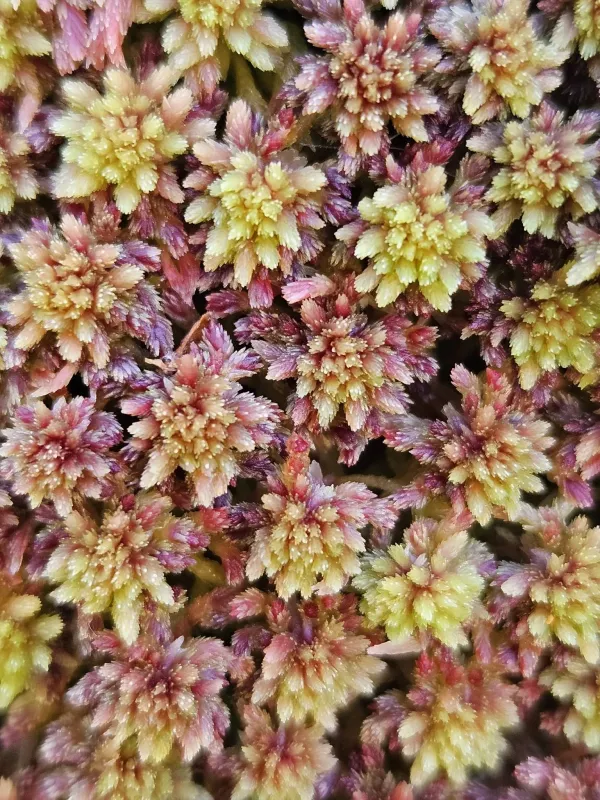
Description
Growing requirements
Sphagnum capillifolium belongs to the Sphagnaceae family. It is a perennial leafy moss that forms dense, hummock-like mats, often displaying distinct reddish or purplish coloration.
This species thrives exclusively in acidic and waterlogged environments. Its native range encompasses the northern regions of Eurasia and North America, where it dominates in raised and transition bogs.
The culture requires high atmospheric humidity and constant moisture presence in the substrate. The optimal pH level for active growth ranges between 3.0 and 4.5, which limits competition from vascular plants.
For successful cultivation, it is necessary to mimic natural habitat conditions using high-moor peat as the growing medium. The use of mineral fertilizers is strictly forbidden, as the moss is highly sensitive to excess nutrients and salt concentrations.
Lighting should be moderate. While the species can tolerate direct sunlight if moisture levels are sufficient, Sphagnum grows best under light shade, which prevents the upper layers of the moss stems from drying out.
Main diseases and pests
The primary threats to population stability include anthropogenic bog drainage and climate change, which lead to a significant decline in groundwater levels.
Water contamination by nitrogenous compounds leaching from agricultural fields is detrimental, as it triggers the aggressive growth of vascular plant competitors.
Diseases are generally not a concern for Sphagnum; however, in stagnant conditions with excessive waterlogging, mold may develop and damage the moss stems.
Major pests include certain species of small insects and mites that feed on moss tissues during periods of extreme drought.
Anthropogenic activities, such as peat extraction, remain a critical factor destroying the natural habitats of this species over vast territories.
Harvesting
Economic utility involves harvesting moss material for horticulture and medical purposes. Harvesting must be performed manually to ensure the integrity of the lower layers, which remain capable of regeneration.
The harvested moss is used as a component in soil mixtures for epiphytic plants, such as orchids, due to its unique ability to hold water up to 20 times its own weight.
In floriculture, Sphagnum is highly valued for its natural antiseptic properties provided by sphagnol, which effectively prevents fungal infections in the root zone.
Raw material collection must strictly follow environmentally friendly practices. Complete removal of the moss mat leads to bog degradation; therefore, leaving a "mother colony" is essential for population recovery.
After collection, the moss undergoes cleaning to remove organic debris followed by air-drying at ambient temperatures. High-quality raw material should be light in color, elastic, and free from signs of decay.