
Sphagnum teres
Sphagnum teres
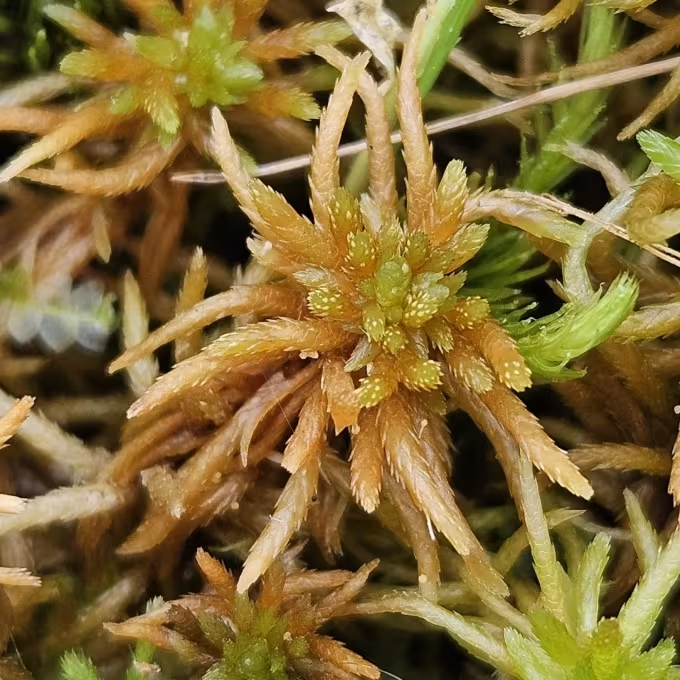
Description
Sowing dates
Sphagnum teres is not grown from seeds but through the vegetative propagation of fragments. The optimal time for establishing a new moss bed is during the cool, moist months of early spring when environmental conditions support rapid establishment.
Small pieces of healthy moss are spread evenly across a prepared moist surface of peat or similar organic substrate. Ensuring close contact between the moss fragments and the wet base is crucial for the development of new rhizoids.
To maximize success, maintain high humidity levels using misting systems or controlled irrigation. The initial growth phase requires careful attention to moisture, as young fragments are particularly vulnerable to drying out.
Site preparation involves clearing the ground of competing weeds and woody vegetation. Using a pure acidic peat substrate minimizes weed competition and provides the necessary chemical environment for the moss to thrive.
Once established, the moss will begin to colonize the area, forming a thick, resilient carpet. Regular replenishment of the underlying peat layer can help sustain high biomass production over multiple growing seasons.
Growing requirements
Sphagnum teres is a hygrophilous species that requires a constant supply of water. Being part of the Sphagnaceae family, it thrives in environments with high water tables where it can absorb moisture through its unique capillary cells.
The species prefers mesotrophic conditions, meaning it benefits from moderate nutrient availability, though it is highly sensitive to excess mineral fertilizers. Quality water free of salts and heavy metals is essential for growth.
The substrate must be acidic, ideally composed of sphagnum peat. The porous structure of this medium ensures high water-holding capacity while allowing for the necessary aeration of the lower sections of the moss stems.
Moderate shade is vital for cultivation, as direct sunlight can cause rapid dehydration and loss of color. Using shade cloth or natural canopy cover helps maintain an optimal microclimate, preventing the moss from drying out.
Temperatures between 10°C and 20°C are generally optimal. Protecting the moss from extreme heat and freezing temperatures without snow cover is necessary to ensure the long-term viability of the cultivation site.
Yield
The yield of Sphagnum teres is measured by the vertical growth of the stems, which typically ranges from 1 to 3 centimeters per year. High-density carpets can produce significant amounts of biomass when managed correctly.
Productivity is highly dependent on water table stability. In managed peatlands, maintaining the water level just slightly below the surface is the key to achieving maximum biomass accumulation year after year.
Harvesting should be scheduled strategically to allow for recovery. By harvesting only the top portion of the moss layer, the remaining lower parts continue to grow, ensuring a sustainable yield over the long term.
Monitoring the nutrient composition of the irrigation water allows growers to optimize growth rates. Periodic testing ensures that no salt accumulation is hindering the health and development of the moss colony.
Proper management of the population density leads to a consistent, high-quality product. This is essential for meeting the demands of the horticultural industry, where sphagnum is used as a premium component for orchid and nursery potting mixes.
Main diseases and pests
Fungal infections and rot are the primary threats to Sphagnum teres, particularly when humidity is high and ventilation is poor. These conditions can lead to the rapid decay of the moss mat if not managed with proper airflow.
Pests like springtails and certain types of mites can damage the apical meristem, hindering vertical growth. Integrated pest management strategies using biological controls are preferred to maintain the ecological balance of the site.
Competition from vascular plants, such as willow shrubs or various sedges, represents a major challenge. These plants can dry out the moss layer, necessitating constant weeding to keep the moss bed clear and productive.
Extreme weather events, including prolonged droughts and heatwaves, are significant risks. Without a reliable water supply and protective shading, a healthy moss bed can degrade in a matter of days.
- Bacterial rot triggered by water stagnation.
- Infestation by moss-dwelling insects.
- Encroachment by aggressive weeds and shrubs.
- Frost damage during winters with no snow cover.
Harvesting
Harvesting Sphagnum teres is best performed manually or with specialized equipment that skims the top layer of the moss. This method ensures that the living lower section remains intact, allowing the moss to regenerate.
After collection, the raw material must be cleaned of debris such as leaves, twigs, and other organic matter. Air drying or drying in a well-ventilated space is recommended to preserve the moss's natural antimicrobial and hygroscopic properties.
Avoid using high-heat industrial dryers, as these processes destroy the cellular structure that gives sphagnum its unique water-retention capabilities. Gentle, natural drying is the gold standard for high-quality horticultural grade moss.
Storage should take place in a cool, dry area. Proper packaging prevents mold growth and ensures the product reaches the end-user in perfect condition, maintaining its structure and utility for potting applications.
Effective quality control during harvest includes checking for uniformity and ensuring the absence of weeds. High-purity Sphagnum teres is highly sought after for use as a sterile substrate component in professional gardening.