
Sphagnum tenellum
Sphagnum tenellum
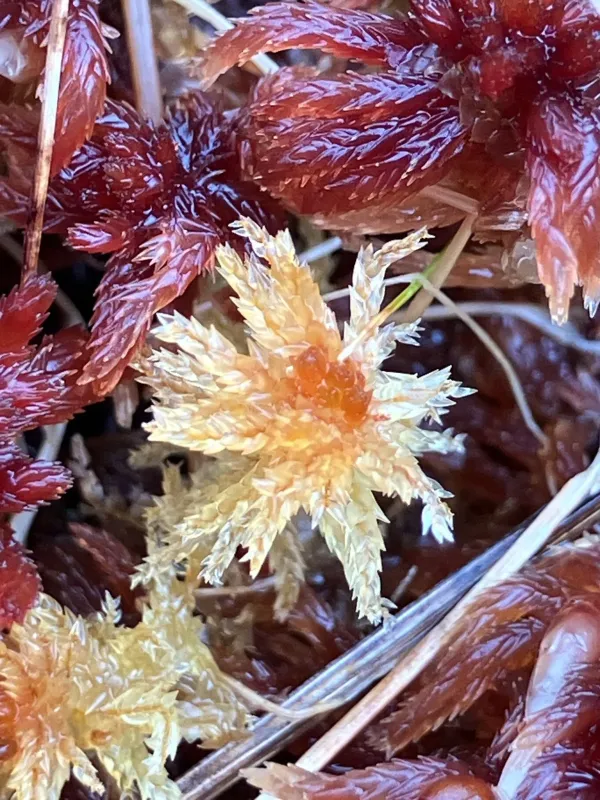
Description
Growing requirements
Sphagnum tenellum is a perennial moss belonging to the Sphagnaceae family, characterized by its low-growing, delicate structure forming dense, soft carpets.
This species is native to ombrotrophic and mesotrophic bogs, where it thrives in highly acidic and waterlogged environments with limited nutrient availability.
The culture requires a constant supply of mineral-poor water, as high salt concentrations in the soil can be toxic to its vegetative development.
Climatic conditions for successful cultivation involve cool, humid atmospheres that prevent the rapid transpiration and desiccation of the moss tissues.
Shaded locations are essential, as excessive exposure to solar radiation leads to bleaching and physiological stress in the Sphagnum colony.
Harvesting
The agricultural and horticultural utility of Sphagnum tenellum lies in its exceptional water-holding capacity, making it a valuable substrate component.
Harvesting involves the careful manual collection of surface moss, ensuring that sufficient base material remains for the long-term regeneration of the bed.
Processing steps include the removal of vascular plant fragments and light washing in distilled or rainwater to ensure the purity of the final product.
Controlled drying techniques are applied to maintain the cellular integrity of the moss, which is essential for its long-term application as a horticultural medium.
It is widely utilized in professional orchid cultivation, carnivorous plant habitats, and as an eco-friendly packing material for moisture-sensitive plant propagation.