
Sphagnum subsecundum
Sphagnum subsecundum
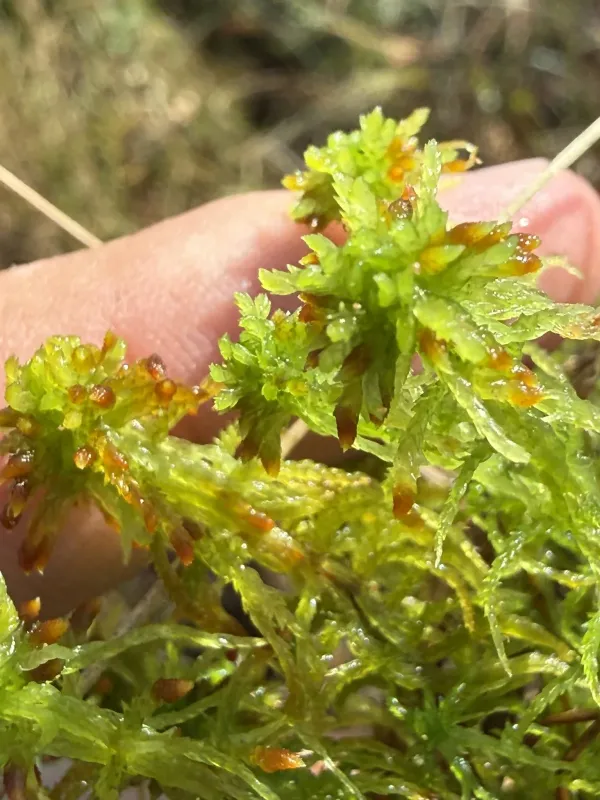
Description
Growing requirements
Sphagnum subsecundum, commonly known as the cow-horn bog moss, belongs to the Sphagnaceae family. It is a perennial bryophyte characterized by its significant capacity to absorb water and its distinct aesthetic appearance.
The natural range of this species covers much of the Northern Hemisphere, where it thrives in wetlands, swamps, and along the edges of ponds. It is specifically adapted to mesotrophic conditions, showing tolerance to a wider range of mineral content than other sphagnum species.
Regarding soil requirements, the culture prefers acidic substrates with a pH typically between 4.0 and 5.5. Maintaining a water table close to the surface is the most critical factor for successful cultivation and plant growth.
Climatic requirements involve stable moisture levels and temperate environments. The moss can tolerate moderate shade, which helps prevent overheating during the peak summer heat, thus protecting its delicate photosynthetic tissues.
Successful management of this crop requires engineering peat bogs or specialized wetland plots where the water level can be precisely controlled, ensuring constant saturation without complete immersion of the upper stalks.
Yield
Sphagnum moss is highly valued in horticulture as an essential component in potting mixes. Its ability to hold massive amounts of water while providing aeration makes it ideal for orchid cultivation and plant propagation.
In medical and veterinary applications, Sphagnum subsecundum is utilized as a natural antiseptic and dressing material. Its chemical properties, derived from sphagnan, effectively inhibit the growth of common bacteria.
The moss is also an excellent material for protecting plant root systems during long-distance shipping. By maintaining high humidity levels around the roots, it reduces transplant shock for nursery stock.
In environmental restoration, this species is used to stabilize erosion-prone areas in wetland restoration projects, acting as a natural sponge that regulates water runoff and improves local habitat quality.
Economic output is derived from both the raw moss harvest and its processed forms. Properly managed bogs can provide a sustainable source of high-quality organic material for various agricultural industries.
Main diseases and pests
The primary threat to sphagnum cultivation is the encroachment of vascular plants such as grasses, sedges, and woody shrubs. These species outcompete the moss for space and sunlight if not regularly managed.
Hydrological disruption is the most significant threat to the survival of Sphagnum subsecundum populations. Drainage or drought-induced lowering of the water table quickly leads to the death of the moss cover.
Pests such as specialized moss mites or nematodes can cause localized damage, although these are rarely a major issue if the plant is growing in its optimal, highly saturated environment.
Pollution from agricultural runoff, particularly nitrates and phosphates, causes unwanted changes in the bog chemistry. This can lead to a decline in sphagnum quality or a shift in the species composition towards less desirable mosses.
Pathogenic fungi outbreaks can occur during periods of extreme temperature fluctuations or improper water management, necessitating diligent monitoring and quick remedial action by the farm manager.
Harvesting
Harvesting Sphagnum subsecundum is typically done by hand-cropping the upper, healthy portion of the moss. This method allows the basal portion to regrow, ensuring the long-term sustainability of the harvest site.
Post-harvest processing involves cleaning the material to remove debris, leaves, and other weeds. The final product should be inspected for purity to ensure it meets the standards required for horticultural and medical use.
Drying is performed in shaded, ventilated areas. It is crucial not to over-dry the moss, as this causes it to lose its structural integrity and water-retention capabilities, rendering it less effective for commercial purposes.
The moss is often compressed into bales or blocks for storage and transport. These packages must be stored in cool, dry places to prevent the growth of harmful molds or fungi that could degrade the product.
Standard crop rotation or resting periods for the harvested bogs ensure that the ecosystem remains productive for years. This practice allows for a balance between industrial demand and ecological preservation.